

Asphalt Shingle Roof Installation in Madison, WI
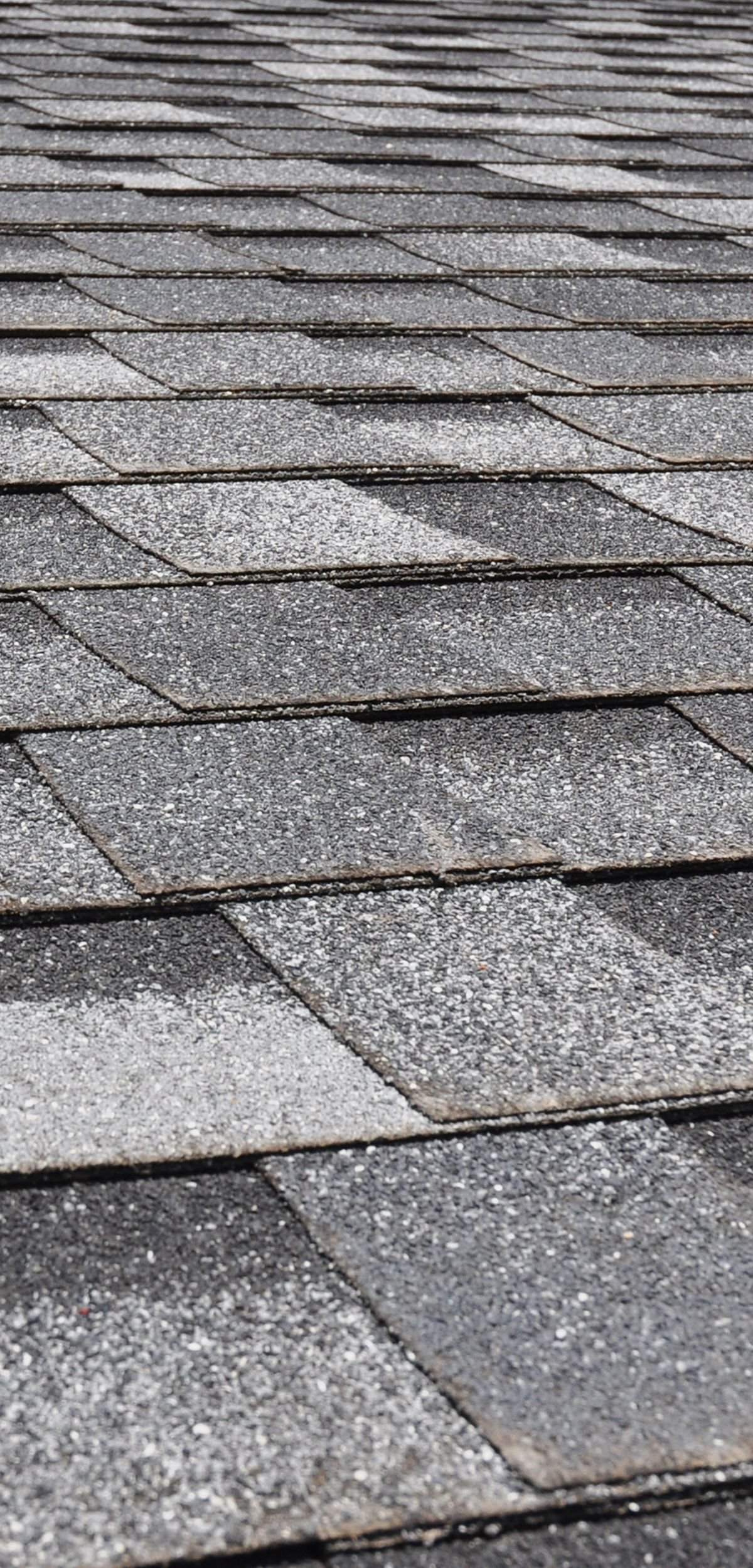
Asphalt shingle roof installation in Madison, WI, is a practical and famous choice for homeowners and businesses due to its affordability, durability, and aesthetic appeal. Asphalt shingles provide reliable protection against harsh weather conditions, including heavy rain, snow, and strong winds, making them particularly suitable for the local climate. With a vast variety of colors and styles available, they enhance the visual appeal of any property while offering long-lasting performance.
The installation involves precise techniques to ensure the shingles are correctly aligned and securely fastened. A solid underlayment is first applied, then shingles are placed to create a seamless, watertight surface. This method helps prevent leaks, protects the underlying roofing structure, and promotes efficient water runoff. Professional installers pay close attention to key areas such as valleys, ridges, and flashing to ensure the roof functions optimally.
Asphalt shingles are also known for their energy efficiency. They help regulate indoor temperatures by reflecting heat and insulating against cold, contributing to reduced energy costs and a more comfortable living or working environment. Madison, WI, property owners benefit from the long-term advantages of asphalt shingle roofs, which combine practicality, aesthetic value, and dependable performance. Expert installation services deliver quality results, enhancing the property's protection and curb appeal.

Benefits of Professional Asphalt Shingle Roof Installation
-
Professional roofing contractors bring years of specialized experience to every installation project. Their comprehensive training and knowledge of industry best practices result in precise shingle placement and proper nail positioning. Skilled technicians understand the importance of correct overlap patterns and ventilation requirements, applying techniques that maximize the roof's performance and longevity. This expertise extends to properly addressing critical areas such as valleys, peaks, and edges where precision is paramount.
-
Professional contractors source premium asphalt shingles and accompanying materials directly from reputable manufacturers. These products feature enhanced durability, color retention, and wind resistance ratings. The materials undergo rigorous testing and meet industry standards, offering advanced protection against UV rays and severe weather conditions. Professional-grade underlayment, fasteners, and flashings work as a complete roofing system.
-
Professional installations come with comprehensive warranty coverage that protects the investment in a new roof. Manufacturer warranties typically offer extensive coverage periods for materials and artistry when installed by certified professionals. These warranties provide valuable protection against potential defects and installation-related issues. Professional contractors maintain detailed documentation of the installation process, supporting future warranty claims if necessary.
-
A professionally installed asphalt shingle roof enhances property value and curb appeal. The precise installation techniques and premium materials create an attractive, uniform appearance that potential buyers appreciate. Professional installation documentation and transferable warranties represent valuable selling points. Expertly installed roofing systems' enhanced durability and weather protection contribute to more substantial home inspector reports and increased market value.
-
Professional installation techniques maximize the roof's ability to withstand harsh weather conditions. Proper overlapping and securing of shingles create a strong defense against wind uplift and water penetration. Systemically installing ice and water shields in vulnerable areas prevents ice dam formation. Strategic underlayment placement and proper ventilation help regulate temperature and moisture levels, extending the roof's structural integrity.
Signs a New Asphalt Shingle Roof is Needed
-
Age of the Roof
Most asphalt shingle roofing systems reach the end of their effective service life after twenty to twenty-five years of exposure to Wisconsin's challenging weather conditions and normal aging processes. We evaluate roofing age in conjunction with maintenance history, installation quality, and environmental factors that impact material lifespan and inform replacement timing considerations. Older shingle installations often lack the advanced features and performance characteristics found in modern roofing materials, including enhanced wind resistance, improved impact protection, and higher energy efficiency ratings. Even well-maintained roofing systems eventually require replacement when materials can no longer provide adequate weather protection against moisture infiltration, wind damage, and thermal stress. Our assessments consider the cumulative effects of aging on all roofing components, including deteriorated underlayment, compromised flashing systems, and worn ventilation components that may have reached replacement thresholds alongside the primary shingle materials.
-
Curling or Buckling Shingles
Visible shingle deformation indicates advanced material deterioration that compromises weather resistance and signals imminent failure, requiring comprehensive replacement rather than localized repair approaches. We observe how shingle edges begin curling upward when materials lose their flexibility and adhesive properties due to prolonged exposure to temperature fluctuations and UV radiation. Buckling patterns across roof surfaces indicate underlying moisture problems, inadequate ventilation, or installation defects that have led to premature aging and material failure. These deformations create pathways for wind-driven rain and snow to penetrate beneath roofing materials, potentially causing extensive damage to underlayment, decking, and interior building components. Curled and buckled shingles also become vulnerable to wind uplift damage during severe weather events, creating immediate risks for additional material loss and emergency repair requirements that can be avoided through proactive replacement planning.
-
Cracked or Missing Shingles
Widespread shingle damage, including cracking or complete material loss, indicates systemic roofing failure that typically requires complete replacement to restore adequate weather protection and structural integrity. We identify crack patterns that develop when shingles become brittle and lose their ability to flex with thermal expansion and building movement throughout seasonal changes. Missing shingles create immediate vulnerabilities, allowing weather elements to directly impact underlying roofing materials and penetrate attic spaces and interior building components. Multiple damaged areas across the roofing surface suggest that the materials have reached the end of their useful lifespan and will continue to deteriorate rapidly without comprehensive replacement intervention. Storm damage from high winds, hail impacts, or falling debris often accelerates existing deterioration and creates widespread damage that exceeds the practical limits of repair approaches.
-
Granule Loss
Excessive granule shedding from shingle surfaces exposes the underlying asphalt layer to accelerated deterioration and UV damage, compromising the long-term weather resistance and material integrity. We assess granule accumulation in gutters, downspouts, and around building perimeters as indicators of widespread shingle deterioration, which typically occurs during the final stages of the material's lifespan. Lost granules leave dark, exposed areas on shingle surfaces that absorb more heat, accelerating the breakdown of remaining protective layers throughout the roofing system. Heavy granule loss often coincides with other signs of aging, such as cracking, curling, and brittleness, that collectively indicate the need for comprehensive replacement rather than continued maintenance efforts. Modern replacement shingles incorporate improved granule adhesion and UV protection, providing superior longevity compared to older installations that have lost their protective capabilities through normal aging processes.
-
Visible Sagging
Structural deformation in roofing surfaces indicates serious underlying problems that pose immediate safety concerns and require urgent professional evaluation for potential emergency replacement needs. We conduct thorough structural assessments to determine whether roof sagging results from moisture damage, inadequate support systems, or material overloading that compromises the entire building framework. Sagging areas often develop where prolonged water infiltration has weakened roof decking, structural framing, or support components beyond their load-bearing capacity. These deformations create low spots that promote water accumulation and accelerate deterioration while potentially leading to catastrophic failure during severe weather events or additional loading conditions. Our structural evaluations prioritize occupant safety while developing replacement strategies that address underlying causes and prevent future problems through proper design, materials, and installation techniques.
-
Leaks and Water Damage
Active water infiltration or evidence of moisture damage throughout interior spaces indicates roofing system failure that requires immediate professional attention and likely comprehensive replacement to prevent ongoing property damage. We investigate leak patterns, water stains, and moisture problems to determine whether widespread roofing deterioration has created multiple failure points that cannot be adequately addressed through localized repairs. Chronic water infiltration compromises insulation effectiveness, promotes mold growth, and damages structural components, creating health hazards and incurring expensive secondary damage throughout affected building areas. Multiple leak locations or recurring moisture problems typically suggest that roofing materials have deteriorated beyond their ability to provide adequate weather protection, making replacement the most practical and cost-effective long-term solution. Our comprehensive evaluations identify all sources of water infiltration while developing replacement strategies that address underlying problems and restore complete weather protection throughout the roofing system.
Our Reviews
Hear from our customers
Asphalt Shingle Roof Installation Process
-
1. Initial Consultation
The process begins with a detailed discussion of roofing needs and preferences. Professional contractors take time to understand specific requirements while explaining available options and addressing questions. This consultation includes reviewing material choices, color selections, and installation timelines. Clear communication about project scope, costs, and expectations establishes a foundation for successful completion.
-
2. Roof Inspection and Assessment
Experienced contractors thoroughly evaluate the existing roof structure and underlying components. This comprehensive inspection identifies potential decking, ventilation, or previous water damage issues. Detailed measurements and documentation help determine precise material requirements and special considerations for proper installation. The assessment phase guides the development of specific solutions for challenging areas.
-
3. Material Selection
The selection process involves choosing appropriate shingle styles and grades based on climate conditions and aesthetic preferences. Professional contractors guide material choices by considering slope requirements, local building codes, and environmental conditions. This phase includes selecting complementary components like underlayment, ventilation products, and flashings that work together as an integrated system.
-
4. Preparation and Removal
The preparation phase involves carefully removing existing roofing materials while protecting the property's exterior. Skilled teams systematically strip old shingles, inspect decking conditions, and address any necessary repairs. This stage also includes setting up proper disposal methods and establishing safety measures. Thorough preparation creates ideal conditions for the new installation.
-
5. Installation and Finishing
Professional installation follows manufacturer specifications and industry best practices for optimal performance. Skilled technicians carefully layer underlayment, install proper flashing and apply shingles with precise nailing patterns. The process includes special attention to valleys, peaks, and penetration points. Final inspections verify the correct installation of all components, including ridge caps and ventilation systems.
Our Service Areas
Verona, Fitchburg, Middleton, Oregon, Belleville, Madison, Cross Plains, Mount Horeb, Monona, McFarland, New Glarus, Waunakee, Black Earth, Stoughton, Cottage Grove, Mazomanie, Barneveld, Evansville, DeForest, Sun Prairie, Sauk City, Lodi, Prairie du Sac, Deerfield, Edgerton, Cambridge, Monroe, Lake Mills, Milton, Janesville, Mineral Point, Baraboo, Fort Atkinson, Columbus, Lake Delton, Reedsburg

Our Asphalt Shingle Roof Installation Services
-
Our comprehensive installation service addresses every aspect of new roof construction, from initial structural assessment to final inspection. Professional teams carefully install a complete roofing system, including proper underlayment, ice and water shields, and ventilation components. The installation incorporates industry-leading techniques for maximum durability and weather protection while maintaining aesthetic appeal through precise shingle alignment and professional finishing touches.
-
The replacement service begins with meticulously removing existing materials and thoroughly inspecting underlying structures. Our experienced teams address deck repairs or structural concerns before installing new materials. This process includes updating flashings, ventilation systems, and other critical components to meet current building standards. The complete replacement restores the home's exterior's protective function and visual appeal.
-
Our extensive selection of premium asphalt shingles offers outstanding variety in colors, styles, and performance grades. Professional consultants assist in matching architectural designs with appropriate shingle options while considering local climate requirements. The selection process includes discussing material durability, color retention, and warranty coverage. Each choice reflects a balance of aesthetic preferences and practical performance needs.
-
Professional inspection services thoroughly evaluate roofing system conditions and performance. Experienced technicians examine all components, including shingle integrity, flashing conditions, and ventilation effectiveness. This comprehensive assessment identifies potential issues before they become serious problems. The inspection process includes documentation of findings and recommendations for maintaining optimal roof performance.
The Asphalt Shingle Roof Installation Process

Choose Craftsman Exteriors for Asphalt Shingle Roof Installation in Madison, WI
-
Our extensive experience throughout the Madison area provides us with a deep understanding of regional climate challenges, architectural styles, and building practices that influence roofing system performance and installation requirements. We have developed specialized knowledge of Wisconsin's weather patterns, including heavy snowfall, ice formation, and severe storm conditions that affect material selection and installation techniques for optimal long-term performance. Our familiarity with local building codes, permit procedures, and inspection requirements streamlines project completion while maintaining full compliance with municipal regulations and manufacturer specifications. We understand the diverse housing stock throughout Madison, ranging from historic homes that require specialized approaches to modern constructions that demand contemporary installation methods and materials. This regional expertise enables us to provide targeted solutions that address specific local concerns while recommending materials and techniques that deliver proven performance in Wisconsin's challenging climate conditions.
-
Our comprehensive licensing and certification demonstrate our commitment to professional excellence and regulatory compliance that protects homeowners and supports quality installation standards throughout every project. We maintain current state and local contractor licenses along with specialized roofing certifications that reflect our qualifications and accountability to the Madison community and regulatory authorities. Our licensing status enables us to obtain the necessary permits, schedule required inspections, and provide warranty coverage that meets industry standards and manufacturer requirements, ensuring optimal protection. We regularly update our certifications and training to stay current with evolving building codes, safety regulations, and installation techniques that benefit every roofing project we complete. Our professional credentials provide homeowners with confidence that their installations will meet all regulatory requirements while delivering the quality and reliability they expect from experienced roofing professionals.
-
Our straightforward pricing structure provides detailed cost breakdowns that clearly explain material expenses, labor requirements, and any additional services needed to complete installations comprehensively and adequately. We present multiple material and installation options when applicable, explaining the benefits and limitations of different approaches to help homeowners make informed decisions that align with their performance goals and budget parameters. Our honest assessments include recommendations for necessary improvements as well as guidance on optional upgrades that may provide additional benefits without compromising basic functionality or warranty coverage. We provide written estimates with fixed pricing that eliminates surprises and hidden costs while maintaining clear communication about project scope, timeline, and expected outcomes. Our commitment to transparency extends throughout the installation process with regular updates about progress, any unexpected conditions encountered, and final documentation that confirms completion according to professional standards.
-
Our commitment to customer satisfaction drives every aspect of our installation services, from the initial consultation through project completion and ongoing warranty support, which demonstrates our dedication to homeowner success. We prioritize clear communication, reliable scheduling, and responsive service that addresses questions and concerns throughout the installation process while maintaining professional standards and courteous interactions. Our customer-focused approach includes thorough project explanations, regular progress updates, and proactive problem-solving that anticipates potential issues and provides solutions before they affect project outcomes. We maintain clean work areas, protect surrounding property, and complete installations according to established timelines while demonstrating respect for homeowners' property and daily routines. Our satisfaction guarantee reflects our confidence in service quality while providing homeowners with assurance that their roofing investments will deliver optimal performance, aesthetic appeal, and long-term value for their Madison properties.
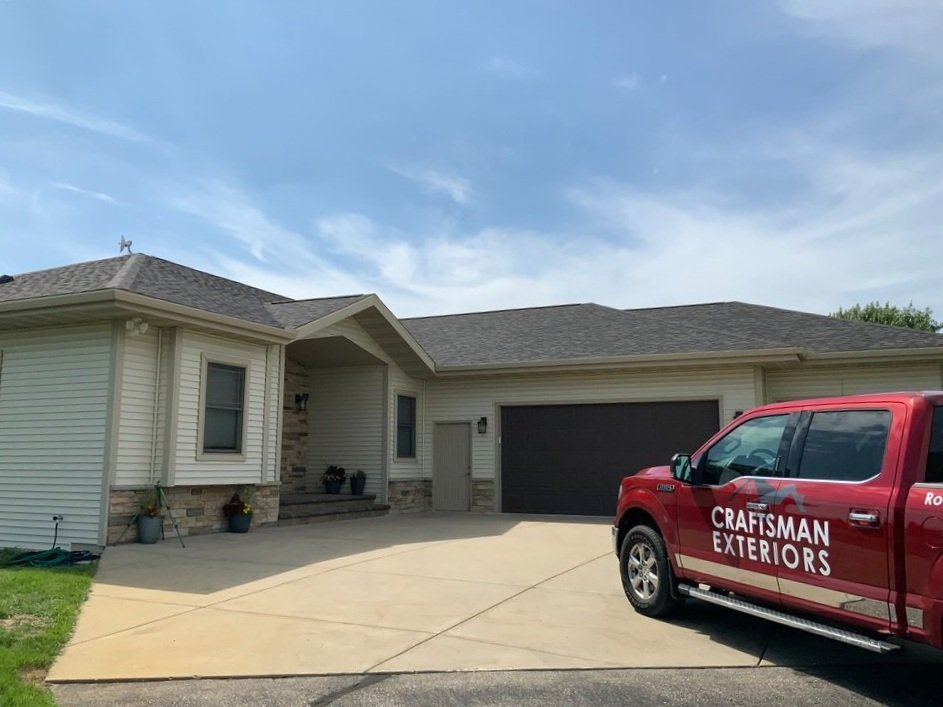
For superior asphalt shingle roof installation in Madison and the surrounding Wisconsin communities, Craftsman Exteriors delivers exceptional results through professional expertise and dedication to quality.
Their skilled team combines extensive experience with premium materials and advanced installation techniques to create lasting roofing solutions. With a proven track record throughout Dane County, their commitment to excellence and deep understanding of local weather requirements makes them the trusted choice for homeowners seeking reliable, durable roof installations. Contact Craftsman Exteriors to schedule a consultation.
FAQ's
-
Asphalt shingles are durable, cost-effective roofing materials made from a fiberglass base coated with asphalt and mineral granules. They're popular in Madison due to their weather resistance, versatility, and aesthetic appeal.
-
Typically, an asphalt shingle roof lasts 20 to 30 years in Madison. Lifespan depends on material quality, installation, and local climate conditions, including snow and ice.
-
Costs vary based on roof size, shingle type, and complexity, with an average range of $6,000 to $12,000. Craftsman Exteriors provides free, accurate estimates.
-
We install 3-tab shingles, architectural (dimensional) shingles, and premium designer shingles. Architectural shingles are the most popular due to their durability and visual appeal.
-
Most residential installations take 1–3 days, depending on weather, roof size, and complexity. Our team works efficiently to minimize disruption.
-
Yes, the City of Madison requires a building permit for roof replacements. Craftsman Exteriors handles all necessary permits and inspections for your project.
-
We offer manufacturer warranties (typically 25 years to lifetime) and a workmanship warranty to ensure your roof performs for decades.
-
Absolutely. We install high-quality shingles rated for wind, ice, and snow. Proper installation techniques, such as using ice and water barriers, improve cold-weather performance.
-
Yes. We completely remove your old roofing system, review the decking, and repair any damage before installing the new asphalt shingles.
-
Regular inspections, debris removal, gutter cleaning, and prompt repairs help extend the life of your roof. We offer upkeep services to keep it in top shape.
-
Certain shingles are designed with reflective technology to reduce heat absorption, improving your home's energy efficiency and comfort.
-
Yes, we offer a wide range of colors, textures, and styles to complement your home's architecture and boost curb appeal.