
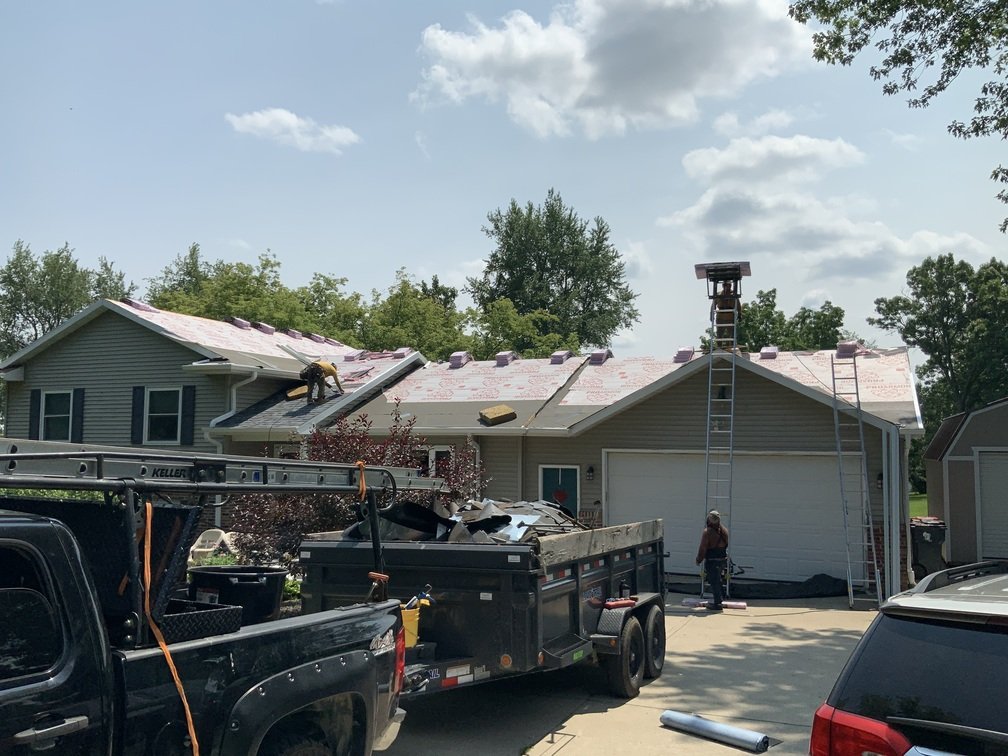
Roof Installation in Madison, WI
Roof installation in Madison, WI, protects residenttial and commercial propertiesfrom the region's challenging weather conditions. From snow and ice in the winter to heavy rain in the warmer months, a skillfully-installed roof offers dependable shelter and peace of mind. Selecting high-quality materials, such as durable shingles or metal panels, is crucial for maximizing performance and longevity.
Skilled craftsmanship is essential during every stage of the installation process, including underlayment preparation, proper sealing, and efficient ventilation. Each step contributes to a roof's structural integrity, helping to prevent issues like leaks or premature wear. By focusing on precision and expertise, roofing professionals deliver results that offer aesthetic value and long-term reliability.
In Madison's climate, a strong, energy-efficient roof can also reduce heating and cooling costs by maintaining consistent indoor temperatures. This adds value to properties while promoting year-round comfort. With expert roof installation, buildings benefit from enhanced durability and protection, creating a safe and secure environment for families and businesses.

Benefits of Professional Roof Installation
-
Our roofing professionals bring extensive technical knowledge from years of hands-on experience and continuous training. We understand complex roofing systems, from proper ventilation requirements to specialized installation techniques for various materials. This expertise allows us to identify and address potential challenges before they impact the installation process, resulting in superior roof performance and durability.
-
We maintain strong partnerships with leading manufacturers, providing access to premium roofing materials that meet rigorous quality standards. Our material selections combine durability with aesthetic appeal, offering excellent weather resistance and long-term performance. These high-grade materials work harmoniously with professional installation techniques to create roofing systems that withstand challenging weather conditions.
-
Our experienced teams work systematically to complete installations within established timeframes while maintaining quality standards. We coordinate material deliveries, equipment, and crew scheduling to minimize disruptions and optimize workflow. Through efficient project management and skilled execution, we complete installations promptly without compromising attention to detail.
-
Our roofing installations include comprehensive warranty coverage that protects our client’s investment in their residential and commercial properties. We provide detailed documentation of all warranty terms and maintenance requirements. Our ongoing support includes professional guidance for maintaining optimal roof performance throughout its lifespan.
-
We implement rigorous safety protocols throughout every installation project. Our teams utilize advanced safety equipment and follow industry-standard practices to protect workers and properties. This commitment to safety extends from initial setup through project completion, creating a secure working environment while safeguarding surrounding areas.
Signs a New Roof is Needed
-
Roof Is Over 20 to 25 Years Old
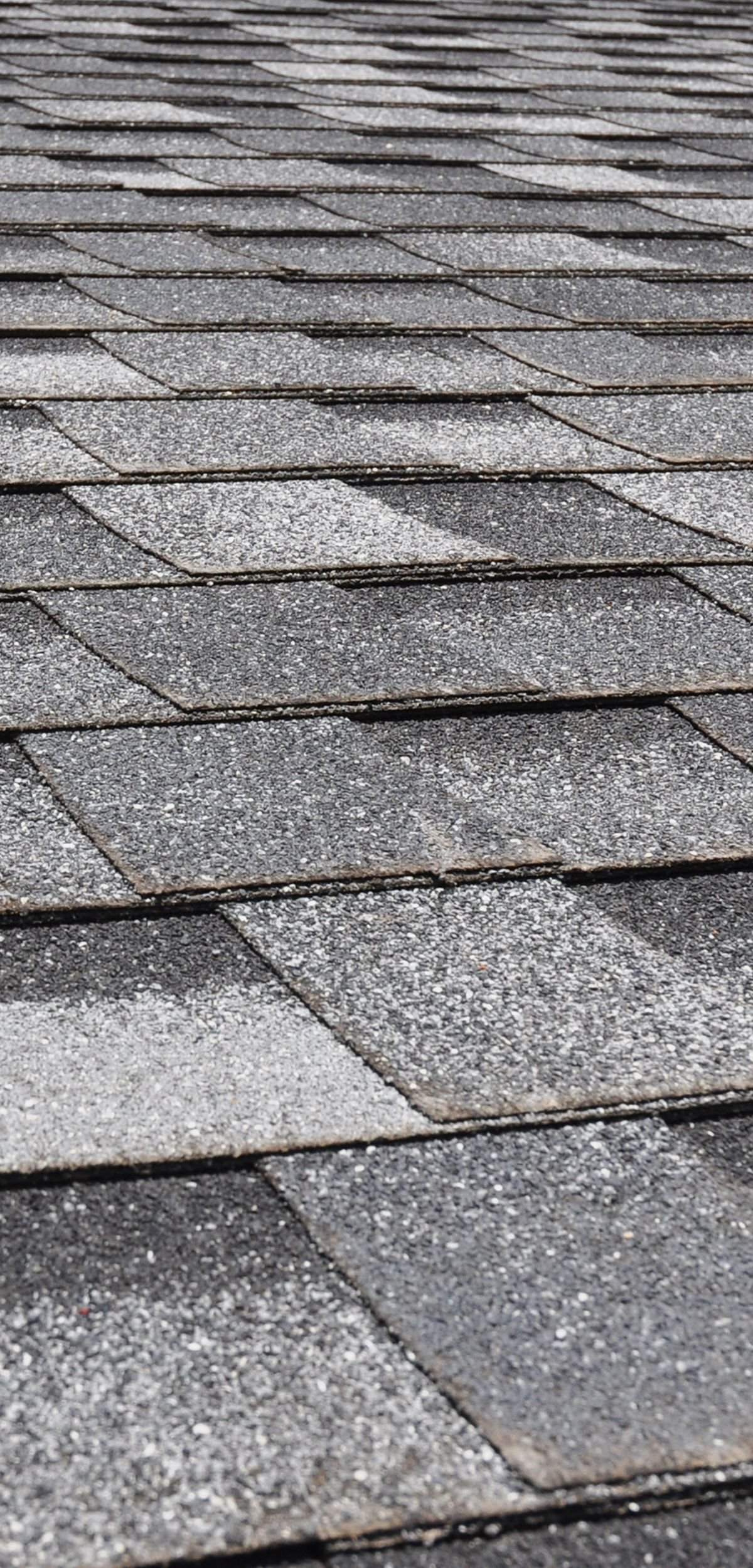
Most roofing materials have a natural lifespan that homeowners should consider when evaluating their property's condition. Asphalt shingles, which cover the majority of residential homes, typically begin showing signs of wear after two decades of exposure to weather elements. At this age, the protective granules start wearing away, leaving the underlying material vulnerable to UV damage and moisture penetration. We often recommend scheduling professional inspections for roofs approaching this milestone, as proactive replacement can prevent costly water damage and structural issues. The investment in a new roof at this stage often proves more economical than repeated repairs on aging materials that continue to deteriorate.
-
Missing, Cracked, or Curling Shingles
Individual shingle damage serves as a clear indicator that roofing materials have reached their performance limits. Weather exposure, temperature fluctuations, and natural aging cause shingles to become brittle and lose their flexibility over time. When shingles begin curling at the edges or developing visible cracks, they can no longer provide adequate protection against water infiltration. Missing shingles create immediate vulnerabilities that expose the underlying roof deck to moisture damage. We advise homeowners to address these issues promptly, as widespread shingle deterioration typically signals that the entire roofing system requires replacement rather than piecemeal repairs that may only provide temporary solutions.
-
Sagging or Uneven Roof Deck
Structural irregularities in the roof deck indicate serious underlying problems that demand immediate attention from roofing professionals. Sagging areas often result from prolonged moisture exposure that has compromised the wooden decking or support structures beneath the shingles. These deformations can worsen rapidly during severe weather events, potentially leading to partial roof collapse if left unaddressed. An uneven roofline also suggests that the foundational elements supporting the entire roofing system have been compromised. We strongly recommend emergency consultation when these symptoms appear, as they represent safety hazards that extend beyond simple water protection concerns and may require comprehensive structural repairs.
-
Interior Water Stains or Leaks
Water infiltration symptoms inside the home represent the most urgent warning signs that roofing systems have failed in their primary protective function. Brown or yellow stains on ceilings and walls indicate that moisture has penetrated through multiple layers of roofing materials and reached the interior living spaces. These visible signs often appear long after the initial roof damage occurred, meaning the problem has had time to spread and potentially affect wooden framing, insulation, and electrical systems. We emphasize that interior water damage frequently costs significantly more to repair than proactive roof replacement, making immediate professional assessment essential for protecting both the home's structure and the family's financial investment.
-
Poor Insulation
Inadequate thermal performance often stems from compromised roofing systems that allow conditioned air to escape and outdoor temperatures to penetrate the home's envelope. When roofing materials deteriorate, gaps and cracks develop that undermine the effectiveness of even high-quality insulation materials installed in the attic space. Homeowners may notice increased energy bills, difficulty maintaining comfortable indoor temperatures, or ice dam formation during winter months as symptoms of this problem. We find that addressing insulation issues often requires evaluating the entire roofing system, as proper thermal performance depends on maintaining continuous air barriers and moisture control that damaged roofing materials cannot provide effectively.
-
Mold or Algae Growth
Biological growth on roofing surfaces indicates moisture retention problems that can compromise both the roof's structural integrity and the home's indoor air quality. Dark streaks or patches of organic material suggest that shingles have lost their ability to shed water effectively, creating environments where harmful organisms can thrive. These growths often begin in areas with limited sun exposure but can spread across entire roof sections if left untreated. We observe that persistent mold or algae problems typically indicate underlying ventilation issues or material degradation that requires comprehensive roofing system evaluation. The presence of these organisms also suggests that moisture may be penetrating into the home's structure, potentially creating health hazards for occupants.
Our Reviews
Hear from our customers
Things to Consider Before Roof Installation
-
Budget Planning
We assist our clients ing developing comprehensive budgets that account for all aspects of roof installation. Our detailed cost analysis includes materials, labor, and potential additional requirements identified during the inspection. This thorough approach limits unexpected expenses while delivering optimal value for the investment.
-
Roofing Materials
We evaluate various material options based on specific climate conditions, architectural style, and performance requirements. Our recommendations consider durability, energy efficiency, and maintenance needs. This careful selection process produces roofing solutions that meet practical and aesthetic objectives.
-
Local Climate
Our installation strategies reflect regional weather patterns and environmental conditions. We select materials and techniques specifically suited to local climate challenges. This climate-conscious approach maximizes roof performance and longevity in specific geographic locations.
-
Building Codes
We are current on local building regulations and permit requirements. Our installations strictly adhere to all applicable codes and standards. This compliance-focused approach prevents potential issues while maintaining property values and insurance coverage.
-
Timeline
We create realistic project schedules for weather conditions, material availability, and coordination with other trades. Our timeline planning includes buffer periods for unexpected circumstances while maintaining efficient progress. This strategic scheduling helps deliver completed projects within desired timeframes while maintaining quality standards.
Our Service Areas
Verona, Fitchburg, Middleton, Oregon, Belleville, Madison, Cross Plains, Mount Horeb, Monona, McFarland, New Glarus, Waunakee, Black Earth, Stoughton, Cottage Grove, Mazomanie, Barneveld, Evansville, DeForest, Sun Prairie, Sauk City, Lodi, Prairie du Sac, Deerfield, Edgerton, Cambridge, Monroe, Lake Mills, Milton, Janesville, Mineral Point, Baraboo, Fort Atkinson, Columbus, Lake Delton, Reedsburg

Roof Installation Process
-
Our experienced team conducts thorough property assessments to understand specific roofing requirements and objectives. We examine the roof and teh condition of its structural elements, and the roof ventilation systems to develop appropriate solutions. During this phase, we discuss material options and timeline considerations and address any questions about the installation process. This detailed evaluation forms the foundation for a successful roofing project.
-
We offer carefully curated material options that align with our client’s budget, the building’s architectural style, and the region’s performance requirements. Our selections include premium products from trusted manufacturers, offering excellent durability and weather resistance. We explain the benefits and characteristics of each option, including warranty coverage, maintenance requirements, and long-term performance expectations. This informed selection process leads to roofing solutions that deliver lasting value.
-
Our teams implement proven installation techniques that maximize roof performance and longevity. We follow manufacturer specifications precisely while incorporating industry best practices throughout the installation process. Proper ventilation, underlayment application, and flashing installation are carefully considered to create a complete roofing system. This meticulous approach results in superior protection against various weather conditions.
-
We perform comprehensive evaluations of completed installations to verify the proper execution of all components. Our inspection examines every aspect of the new roof, from shingle alignment to flashing details and ventilation performance. We review the entire project to confirm adherence to specifications and quality standards. This thorough assessment validates the integrity of the installation while documenting warranty compliance.
Factors that Influence the Cost of Roof Installation
-
Type of Roofing Material
Material selection represents the most significant cost variable in any roofing project, with prices ranging dramatically based on durability, aesthetics, and performance characteristics. Basic asphalt shingles offer an economical starting point for budget-conscious homeowners, while premium options like slate, cedar shake, or metal roofing command substantially higher investment levels. We work with clients to evaluate long-term value propositions, as higher-grade materials often provide extended lifespans and improved energy efficiency that offset initial costs over time. The choice between standard and architectural shingles alone can impact project budgets by thousands of dollars. Our experience shows that material decisions should balance immediate financial considerations with anticipated maintenance requirements and potential resale value improvements.
-
Roof Size
Square footage directly correlates with material quantities and labor hours required for project completion, making accurate measurements crucial for precise cost estimation. We calculate roofing projects by the square, with each square representing 100 square feet of roof surface area. Complex rooflines with multiple peaks, valleys, and dormers require additional materials and skilled installation techniques that increase overall project costs. Waste factors must also be considered, as intricate roof designs generate more unusable material scraps than simple rectangular configurations. Our team conducts detailed measurements to provide accurate square footage calculations that account for all roof surfaces, including overhangs and architectural features that contribute to the total installation area.
-
Roof Pitch and Complexity
Steep roof angles and architectural complexity significantly impact installation difficulty, safety requirements, and project timelines. Roofs with pitches exceeding 6:12 require specialized safety equipment and installation techniques that increase labor costs and extend completion schedules. Multiple roof planes, intersecting ridges, and numerous penetrations for chimneys, vents, and skylights demand precise flashing work and custom fitting that requires experienced craftsmanship. We price complex roofing projects based on the additional time and expertise required to navigate challenging architectural features safely and effectively. Valley installations, hip and ridge treatments, and dormer work all contribute to higher material and labor costs compared to straightforward gable roof designs.
-
Tear-Off vs. Overlay
The decision between complete shingle removal and overlay installation dramatically affects project scope, duration, and total investment requirements. Complete tear-off provides opportunities to inspect and repair underlying deck materials while creating optimal conditions for new roofing system performance. Overlay installations offer cost savings by eliminating disposal fees and reducing labor hours, but they add weight to existing structures and may not address underlying problems. We recommend tear-off installations for most projects, as they allow comprehensive evaluation of deck conditions and proper installation of modern underlayment systems. The additional investment in complete removal often proves worthwhile when considering long-term performance and warranty coverage requirements.
-
Underlayment and Decking Repairs
Structural repairs and upgraded underlayment systems represent variable costs that depend on existing roof conditions discovered during initial tear-off phases. Damaged or deteriorated decking requires replacement with new plywood or OSB materials, adding substantial material and labor expenses to original project estimates. Modern synthetic underlayments offer superior moisture protection compared to traditional felt papers but command higher material costs that benefit long-term roof performance. We conduct thorough deck inspections once old materials are removed, providing transparent communication about any necessary repairs before proceeding with new installations. These improvements, while adding to immediate costs, prevent future problems and support comprehensive warranty coverage.
-
Labor Costs
Skilled installation expertise represents a significant portion of total roofing investment, with regional market conditions and contractor experience levels affecting hourly rates and project pricing. We maintain competitive pricing while investing in ongoing training and certification programs that keep our installation teams current with evolving industry standards and manufacturer requirements. Local building codes, permit requirements, and inspection schedules also influence labor costs and project timelines. Weather conditions and seasonal demand fluctuations can impact availability and pricing, making advance planning beneficial for homeowners seeking optimal value. Our commitment to quality workmanship reflects in our pricing structure, which prioritizes long-term performance over short-term cost savings.

Choose Craftsman Exteriors for Roof Installation in Madison, WI
-
Our commitment to professional excellence begins with maintaining all required state and local licensing requirements that demonstrate our qualifications and accountability to the Madison community. We carry comprehensive general contractor licenses and specialized roofing certifications that reflect our dedication to industry standards and regulatory compliance. These credentials provide homeowners with confidence that their roofing projects will be completed according to established building codes and manufacturer specifications. Our licensing status allows us to obtain proper permits and schedule required inspections that protect both our clients and our business reputation. We regularly update our certifications and training to stay current with evolving regulations and industry best practices that benefit every project we undertake.
-
We partner with leading roofing manufacturers to provide Madison homeowners with premium materials that deliver exceptional performance and lasting value. Our supplier relationships allow us to offer competitive pricing on top-tier products while maintaining consistent availability for project scheduling needs. We stock materials from trusted brands that back their products with comprehensive warranty programs, providing additional protection for our clients' investments. Our material selection process considers local climate conditions, architectural compatibility, and long-term performance expectations to recommend optimal solutions for each unique project. We stand behind every material we install and work closely with manufacturers to address any warranty concerns that may arise after project completion.
-
Our installation teams bring decades of combined experience to every Madison roofing project, with specialized training in modern installation techniques and safety protocols. We invest in ongoing education programs that keep our craftsmen current with evolving industry standards and manufacturer requirements for warranty compliance. Each team member undergoes comprehensive background checks and maintains current safety certifications that protect both our workers and our clients' properties. We take pride in attention to detail that distinguishes our work from competitors who prioritize speed over quality. Our craftsmen understand that proper installation techniques directly impact long-term performance and warranty coverage, making their expertise invaluable to every project we complete.
-
We believe that informed clients make better decisions, which is why we maintain open communication throughout every phase of the roofing process. Our project managers provide regular updates on progress, weather delays, and any unexpected conditions that may affect timelines or costs. We present detailed written estimates that clearly explain material specifications, labor requirements, and warranty coverage so homeowners can make confident decisions about their investments. Our team is always available to answer questions and address concerns that arise during project planning and installation phases. We document our work with progress photos and final inspections that demonstrate our commitment to quality and provide valuable records for future reference and warranty claims.
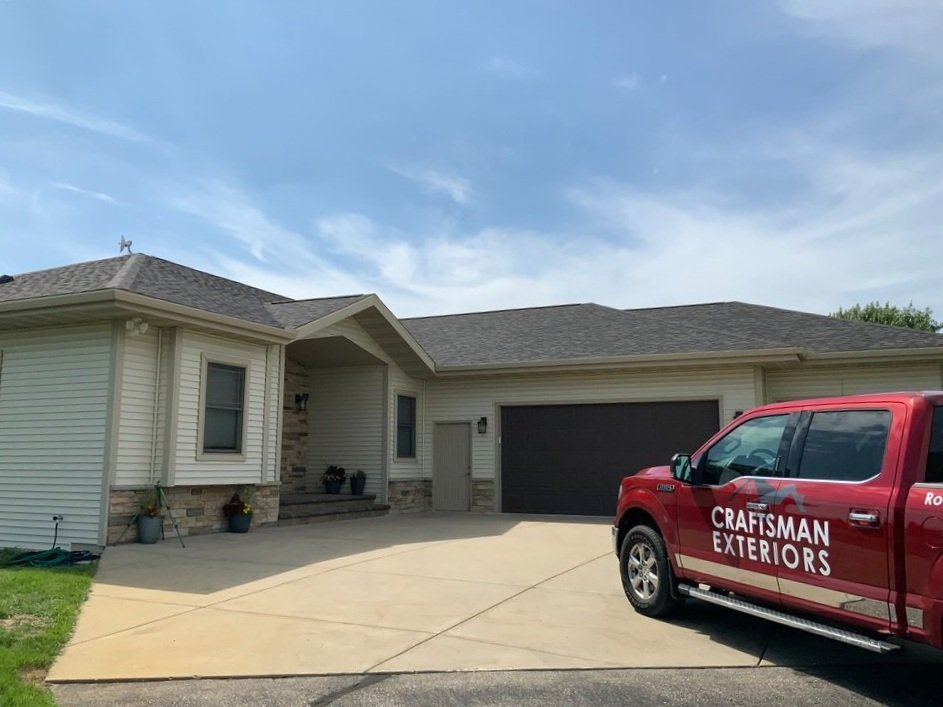
Craftsman Exteriors delivers professional roofing solutions throughout Madison, Wisconsin, and neighboring communities.
With extensive experience in roof installations and exterior renovations, we bring exceptional craftsmanship to every project. We combine premium materials with expert installation techniques to create durable, weather-resistant roofing systems that protect properties for years. Our dedicated professionals maintain open communication throughout each project phase while delivering superior results that enhance property value and curb appeal. Contact us to discuss roofing needs and experience the difference professional installation makes.
FAQ's
-
Signs you may need a new roof include missing shingles, frequent leaks, visible sagging, mold or moss growth, and roofs over 20 years old.
-
Craftsman Exteriors offers asphalt shingles, metal roofing, composite shingles, and other durable options suitable for Madison’s climate.
-
Most residential roof installations are completed in 1–3 days, depending on the size and complexity of the project.
-
Yes, roofing projects typically require permits. Craftsman Exteriors handles all permitting on your behalf.
-
Roof installation costs vary based on material, size, and complexity. Most projects range from $7,000 to $15,000 for asphalt shingles.
-
Absolutely. All Craftsman Exteriors installers are fully licensed, bonded, and insured for your protection and peace of mind.
-
Yes, we can install roofs in winter, but scheduling may depend on weather conditions. We take extra precautions for safety and quality.
-
We offer both manufacturer warranties (typically 25–50 years) and workmanship warranties to ensure long-lasting protection.
-
Yes, we perform a detailed inspection to assess structural integrity, ventilation, and any underlying damage before starting installation.
-
We recommend moving vehicles away from the work zone, securing loose items inside your home, and removing outdoor furniture or decorations near the roofline.
-
We use tarps, protective barriers, and cleanup tools to keep your property clean and minimize damage to your lawn and landscaping.
-
Yes, we work with homeowners and insurance adjusters to provide documentation and assist with the claims process.
-
Yes, proper ventilation is critical for roof longevity. We assess your current system and recommend any needed upgrades.