

Blog
Roofing, Windows, Doors, Gutters, and More
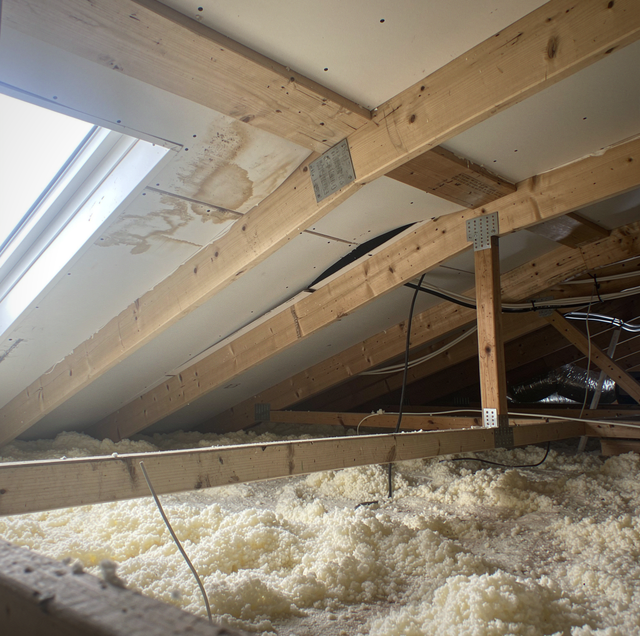
How Snow Load Actually Stresses a Roof
You hear it before you see it: a low, tight creak from somewhere above the ceiling, right after a heavy snowfall settles in overnight.
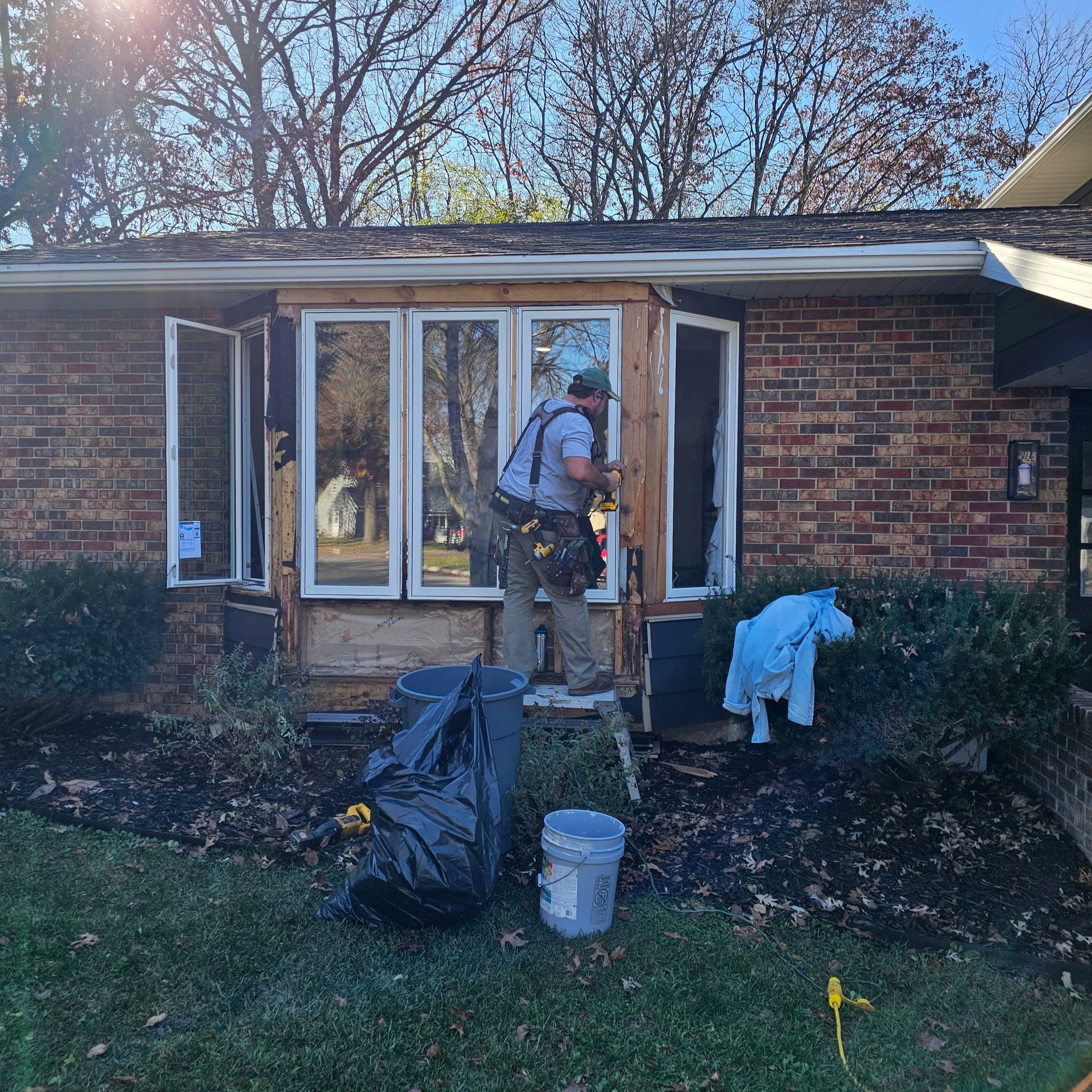
Frame the View: Picture Window Installation for Stunning Interiors
These windows are a perfect way to invite nature into your space without compromising style or functionality.
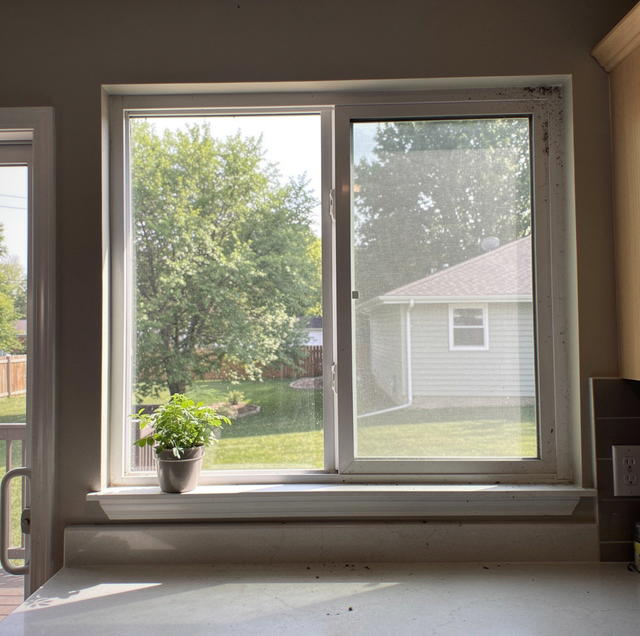
How Often Should You Replace Windows? A Lifespan Guide
Ask five people how long a window is supposed to last, and you'll get five different numbers, and none of them will be exactly wrong.
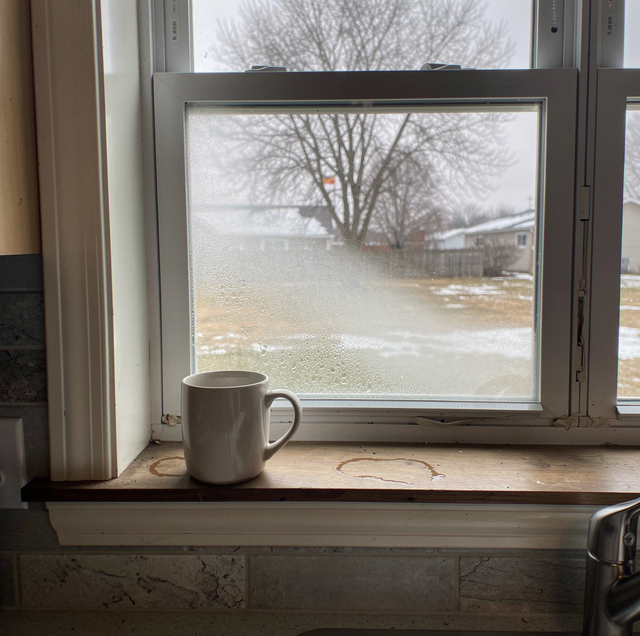
Why Windows Fog Up or Feel Drafty in Winter
You're standing at the kitchen window with your coffee, and the yard has turned into a smear of gray and white.
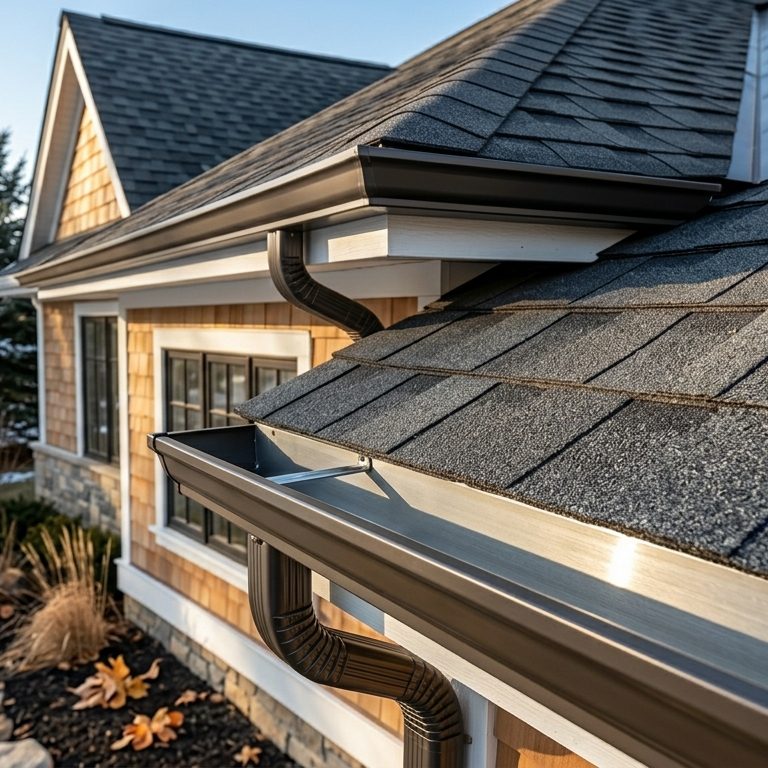
What Does It Mean When Your Roof Is Losing Granules?
You're cleaning out your gutters in October, and the downspout is clogged with what looks like coarse sand—gray-black grit that pours out into your palm like the inside of an ashtray. That's not dirt. Those are the granules from your asphalt shingles, and a gutterful of them means something is going wrong with your roof.
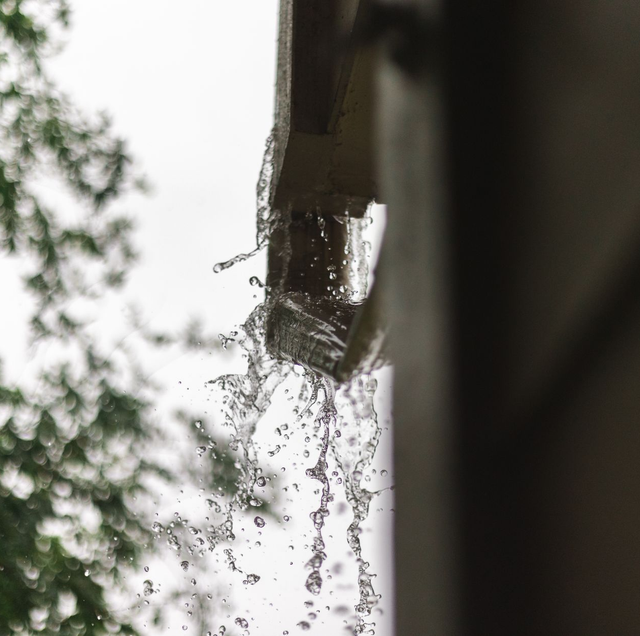
Why Are My Gutters Overflowing? 6 Real Causes
Water spilling over the front edge of a gutter looks like a small nuisance until you trace where it lands.
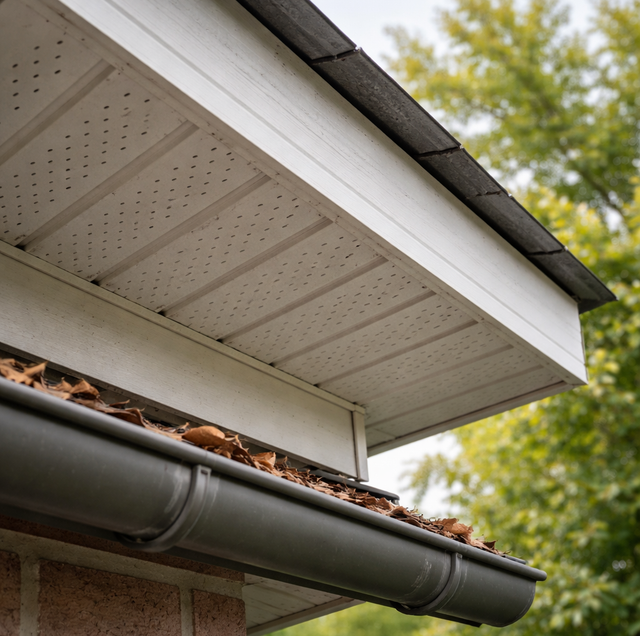
What Soffit and Fascia Do: The Roof Edge That Protects the Rest
Look up at the edge of almost any pitched roof, and you will notice the roof does not stop flush with the wall.
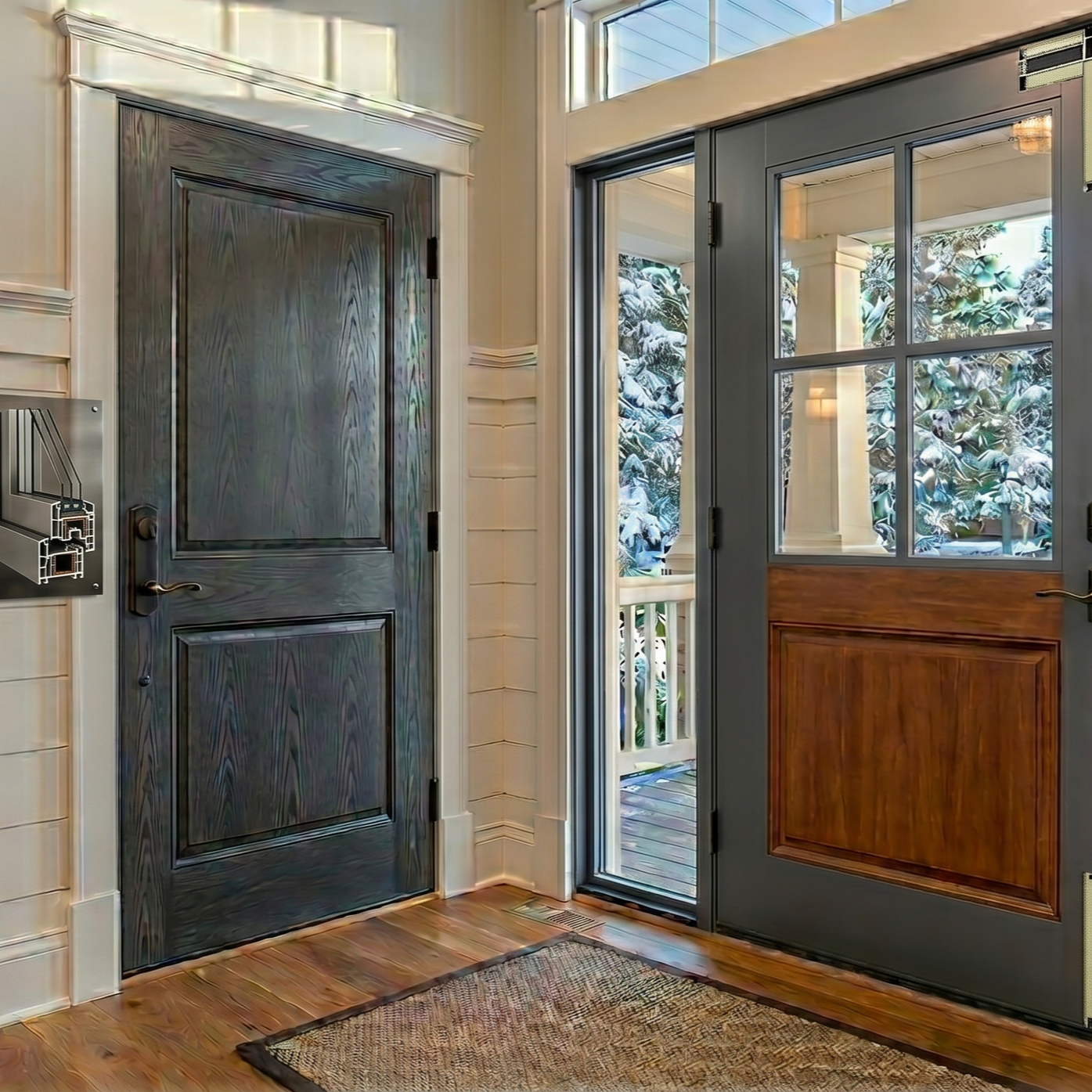
Steel vs. Fiberglass Entry Doors: Which Should You Choose?
It's January, 7 a.m., and you are standing in the entryway in your socks. The coffee's hot. Your feet aren't. There is a band of cold air moving past your ankles that has nothing to do with the floor — you hold your hand near the steel door face and feel the chill radiating off it like the side of a chest freezer. The door looks solid. The weatherstripping is intact. But the door itself is bleeding heat, and it's been doing it every morning for years.
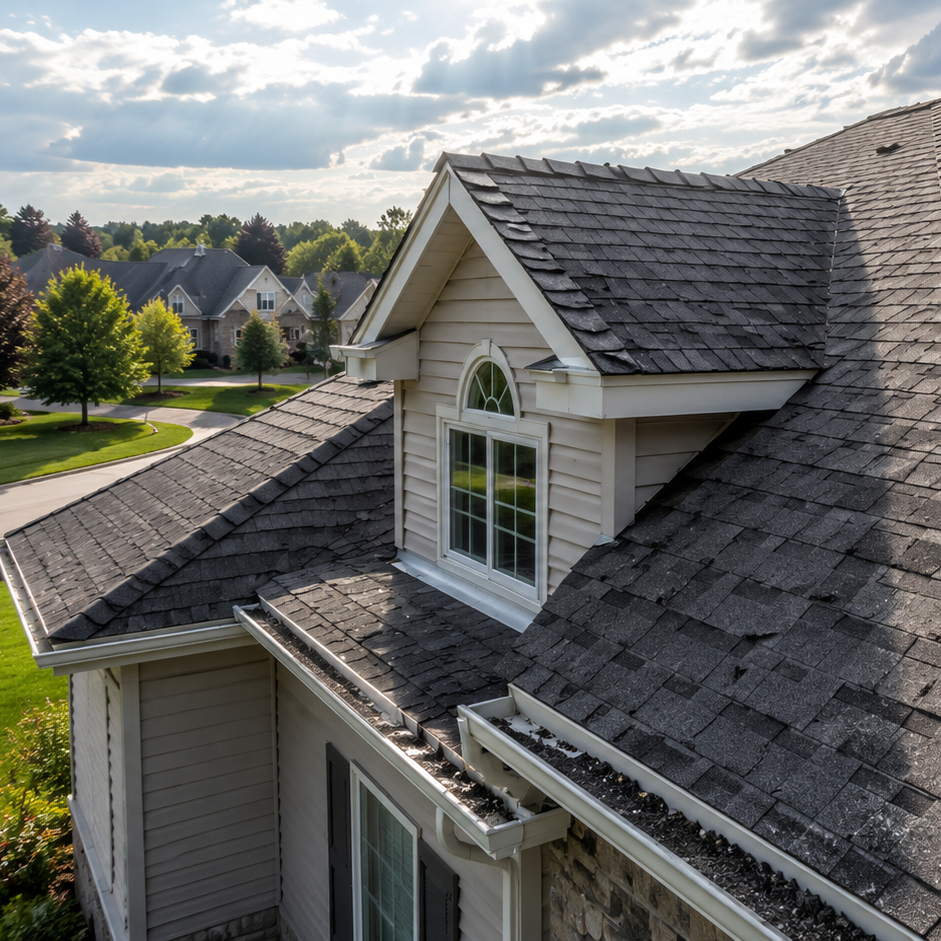
How Do You Spot Roof Storm Damage Before It Causes Leaks?
The morning after the storm, the sun is out, and the street looks fine. Your neighbor's patio furniture is upright. Nothing obviously wrong. So you head back inside, skip the yard walk-through, and go to work.
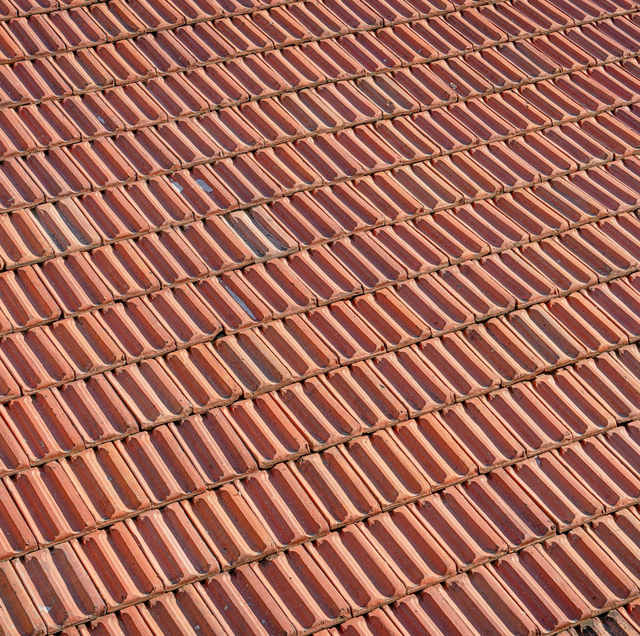
How Long Does a Roof Last? Lifespan by Material
The single biggest predictor of how long your roof will last is the material sitting on top of your home.
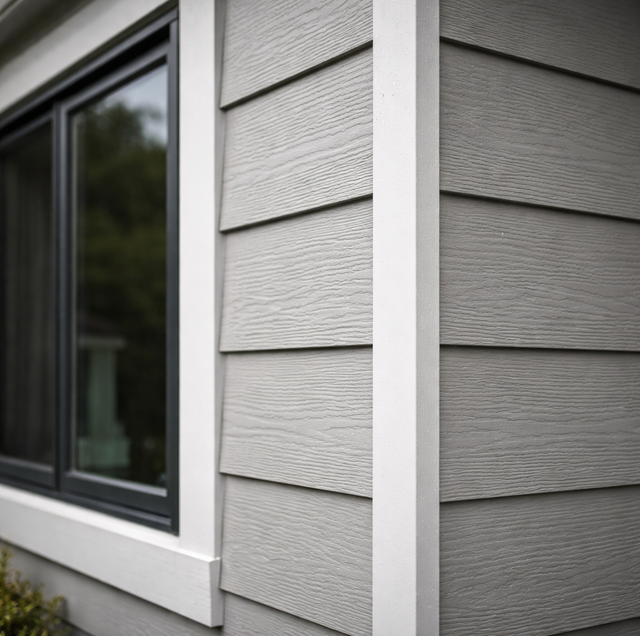
Fiber Cement vs. Vinyl Siding: 7 Factors That Decide It
Two houses on the same block can wear completely different skins, and both be right.
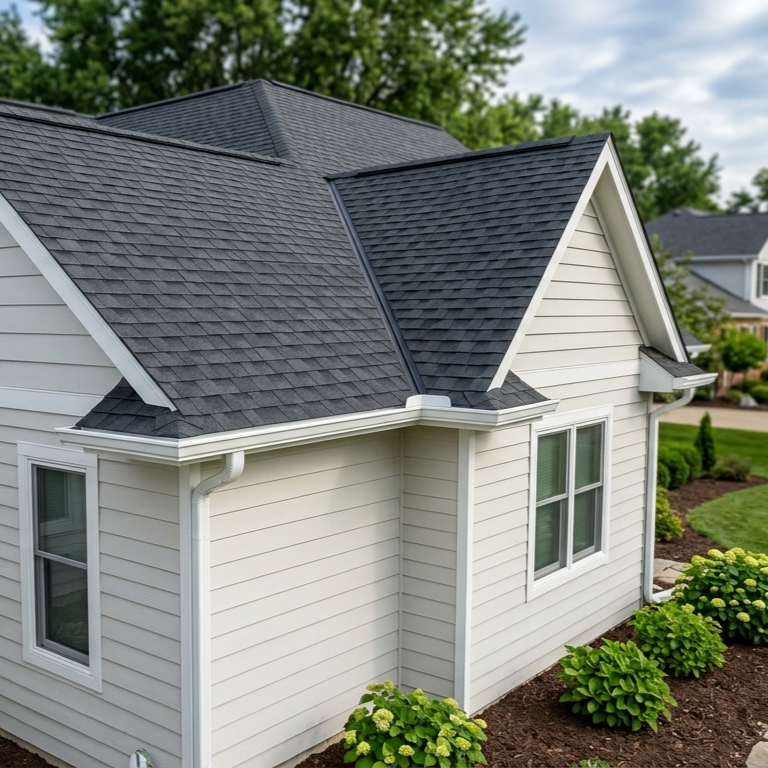
What to Do Immediately After Storm Damage to Your Home
The hail stopped around 3 p.m. You walked outside, and the driveway looked like someone had dumped a bag of marbles across it. The downspout was bent sideways. Up on the roof, three shingles were sitting in the front yard. By the time you got inside, the ceiling in the back bedroom was dripping. You had maybe 30 minutes of daylight left and no idea what to do first.
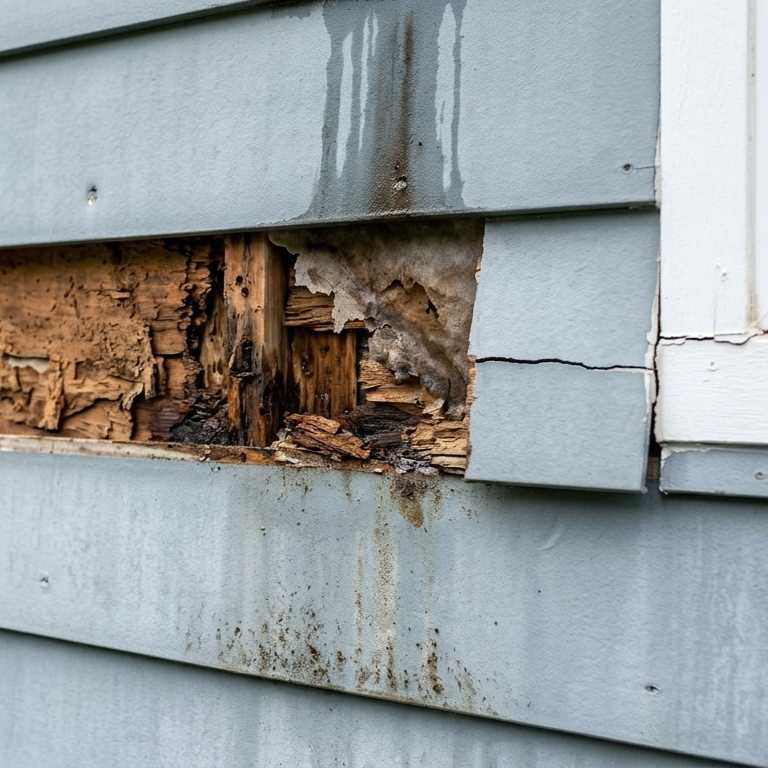
Signs of Water Damage Behind Your Siding: 9 Red Flags
Your siding is the part of the house you can see, and it does a real job: it keeps most of the weather off the wall. But it was never meant to be the last line of defense. Water finds ways past it, and once it does, it lands on the layers you cannot see, the sheathing and the framing that actually hold the house up. That water can sit there for months, quietly turning solid wood into something soft and brown, before anything shows on the outside.
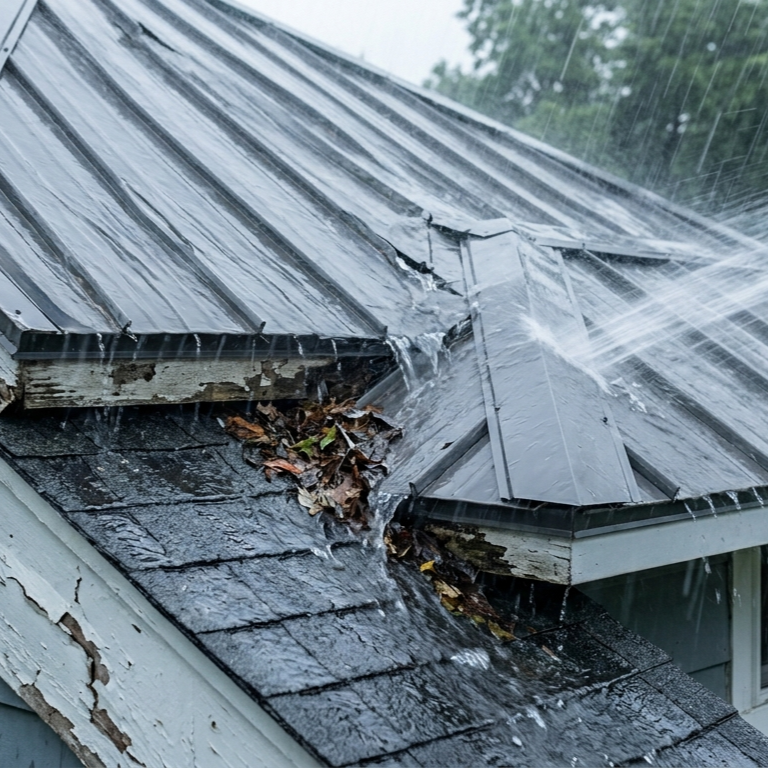
Why Your Roof Only Leaks in Hard Rain: The Hidden Defect
You watch it happen the same way every time. A soft, steady rain comes and goes, and the ceiling stays dry. Then a real storm rolls through, the kind that rattles the windows, and within an hour, a brown ring appears on the drywall, or a drip starts ticking into a bucket. By the next morning, it has stopped, the stain has dried at the edges, and you are left wondering if you imagined it.
You did not imagine it. A leak that shows up only in heavy rain is one of the more solvable roof problems, because the timing itself is a clue. It tells you the roof is not broadly failing. Instead, one specific spot is marginal, and it takes volume, wind, or duration to push it past its limit.
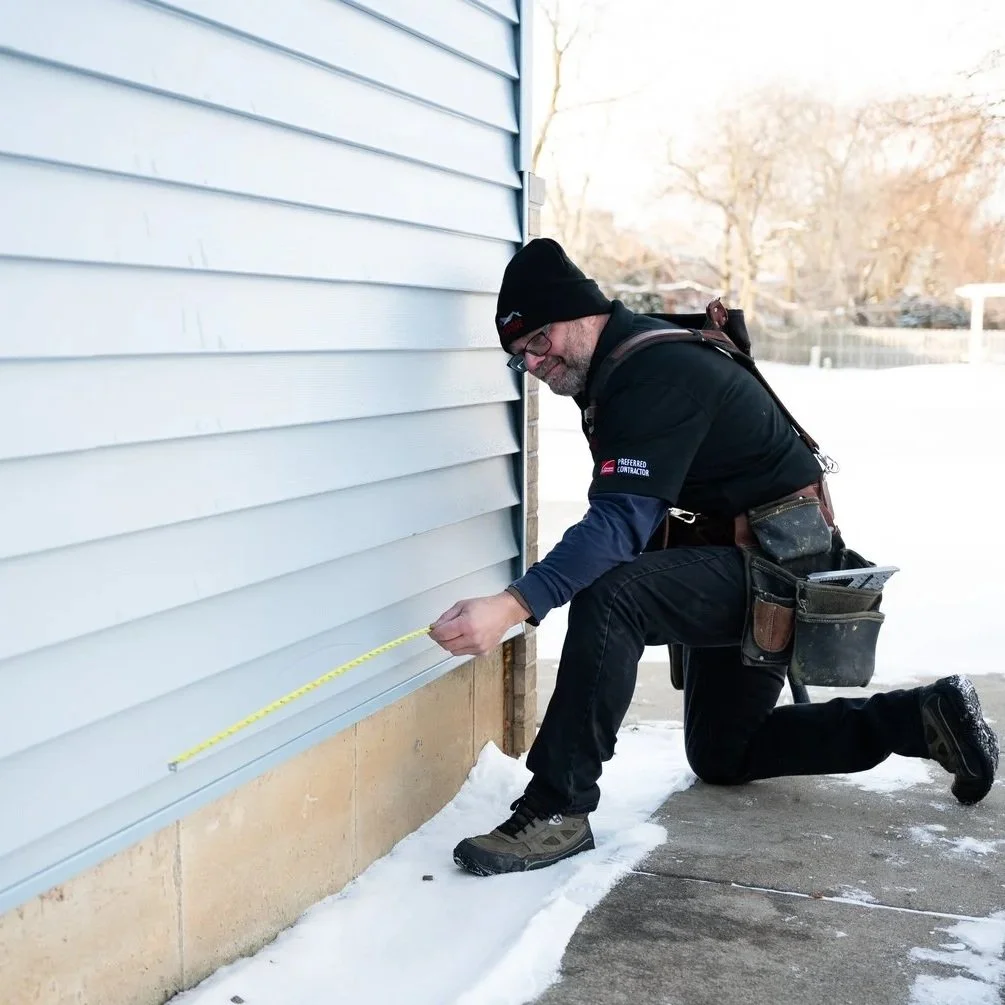
What Are the Signs Your Siding Needs to Be Replaced?
You noticed it last fall: a section of siding near the front porch that had started to bow outward, subtle enough that you figured it was just how the light was hitting it. By spring thaw, it had pulled away from the wall by a full inch, and there was soft, gray wood visible behind it. That's not a cosmetic issue. That's water that's been working its way behind the panel for at least one full winter cycle, and the damage underneath is almost always worse than what you can see from the driveway.
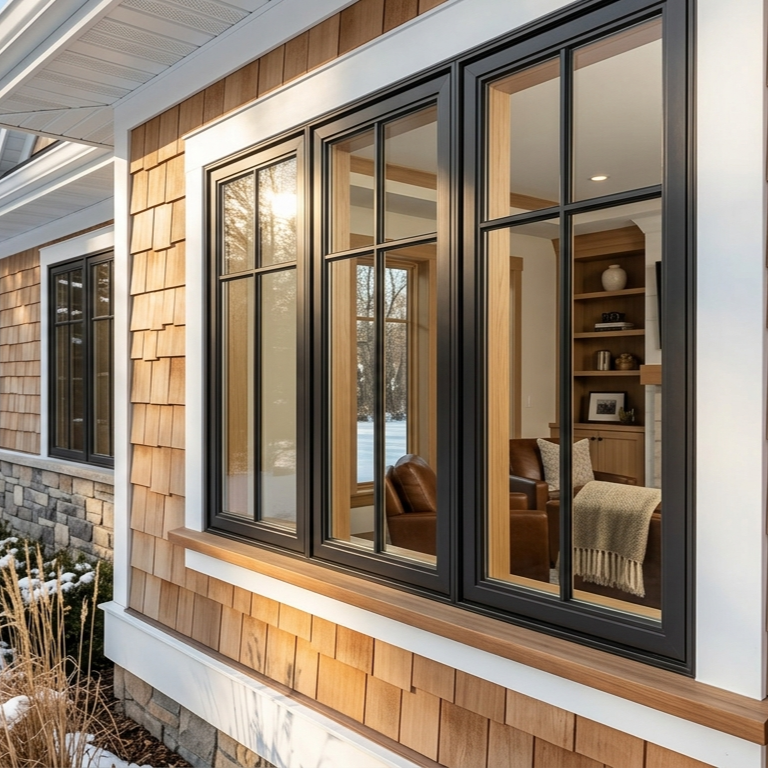
What Are the Signs That Windows Need to Be Replaced?
Press your palm flat against the glass on a January morning. Cold — but manageable. Now slide it to the corner of the frame. That's a different kind of cold. Outside cold. The kind that tells you the barrier between your living room and whatever's happening outside has quietly stopped doing its job, and whatever you're spending to heat that room is trickling out through a quarter inch of failed caulk and a frame that's been losing its grip for years.
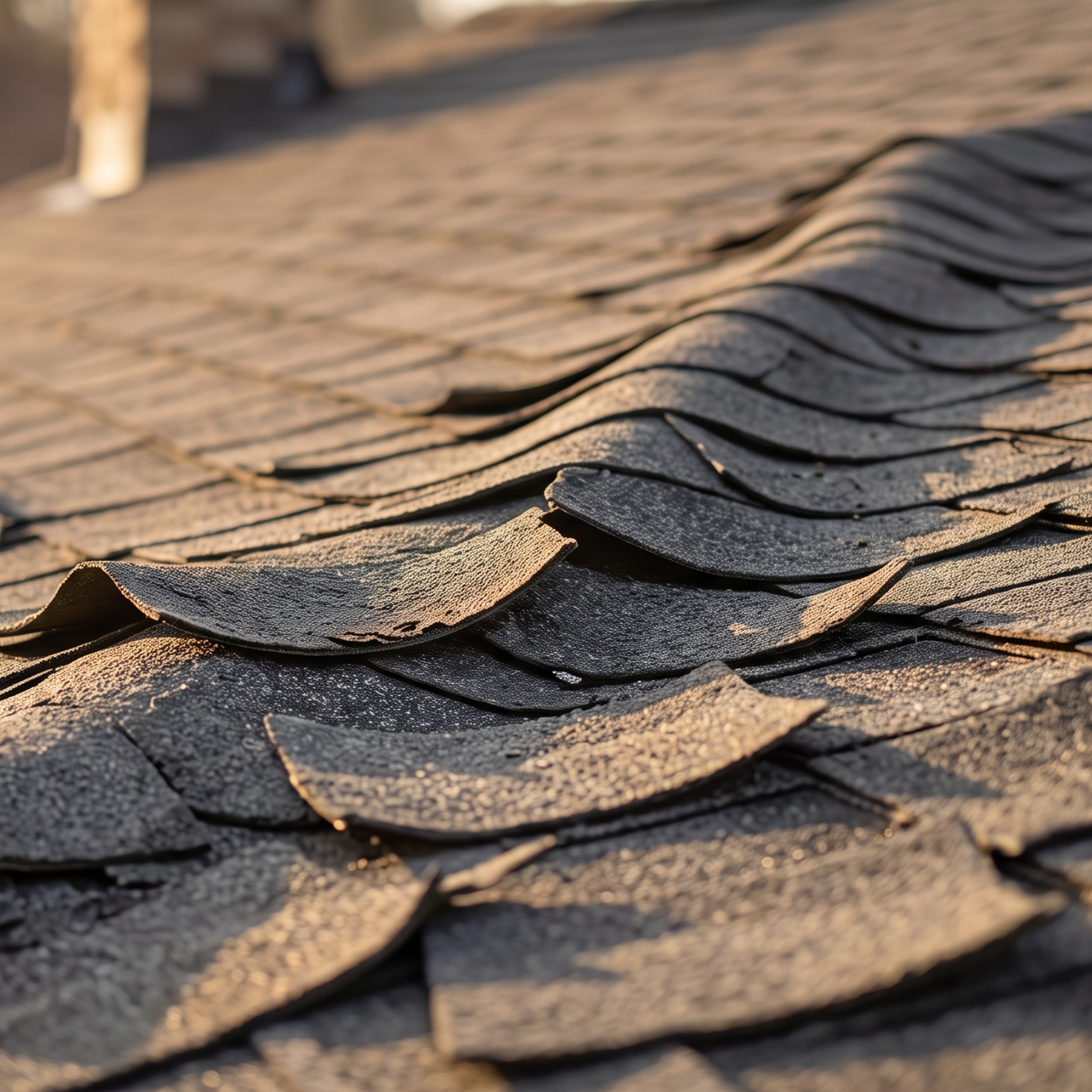
What Causes Shingles to Curl or Buckle? 7 Culprits
From the driveway, a healthy shingle roof reads as a flat, uniform plane. So when the surface starts to look restless, with edges lifting or a long ripple running across a slope, your eye catches it before you can name it. Those two distortions, curling and buckling, are not the same problem, and telling them apart is the first real clue to what is happening underneath. One usually points to age or heat; the other often points to moisture or to the way the roof was installed. Reading the shape correctly saves you from replacing shingles that a ventilation fix would have saved, or from patching over a problem that keeps coming back.
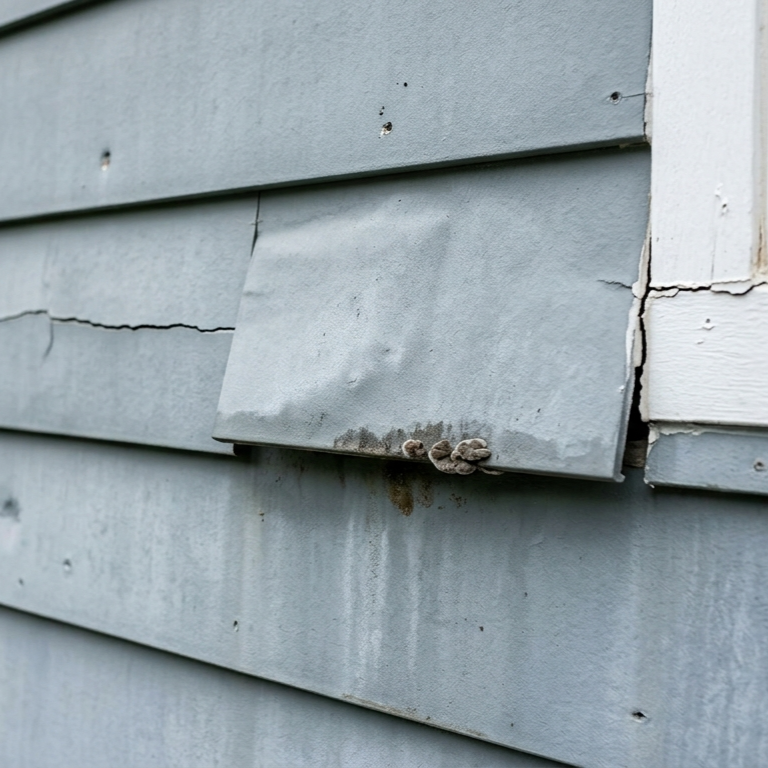
Signs Your Siding Needs Replacing (Before Water Gets In)
Siding is the part of your house you look at every day and think about almost never. It sits there, sheds rain, takes the sun, and mostly keeps quiet. So it is easy to assume that as long as it is standing, it is doing its job. But siding is not just the exterior color of your home. It is the outermost layer of a wall assembly, and its real job is to keep water and weather off the sheathing and framing behind it. When it starts to fail, the trouble rarely announces itself out front. It works its way behind the panels, into places you cannot see, and by the time it reaches the house, it has usually been going on for a while.
That is why knowing the difference between siding that looks tired and siding that has actually failed matters so much. One is a paint problem. The other is a water problem waiting to become a structural one.
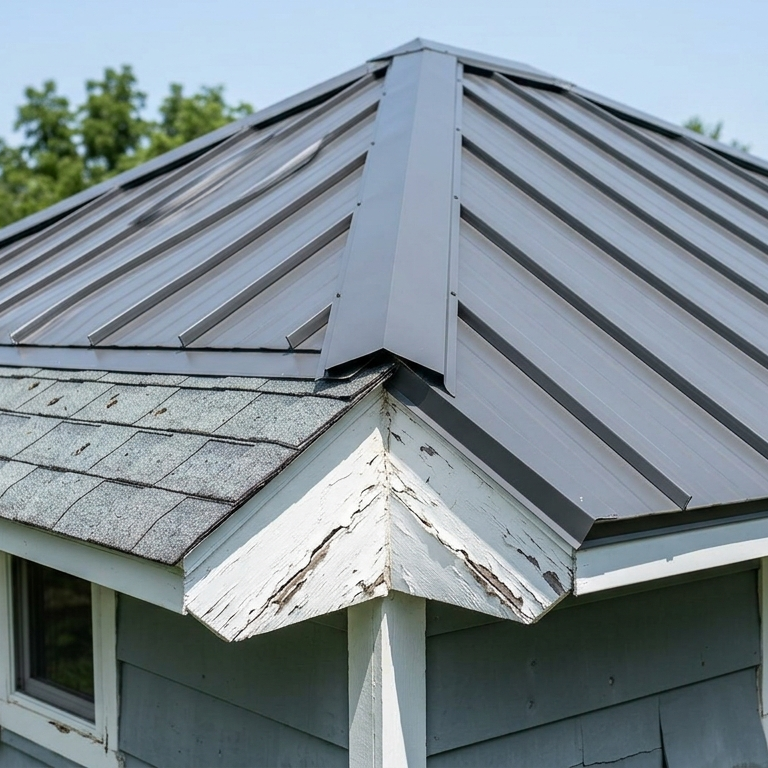
Asphalt Shingle vs Metal Roof: How to Choose
Your roof is telling you its time is near, and now you are caught between the familiar choice and the one everyone seems to be talking about. Asphalt shingles are what most homes have and what most people picture. A metal roof promises to outlast them by decades. Both are solid choices, and the right one depends on what you want the roof to do and how long you plan to keep the house.
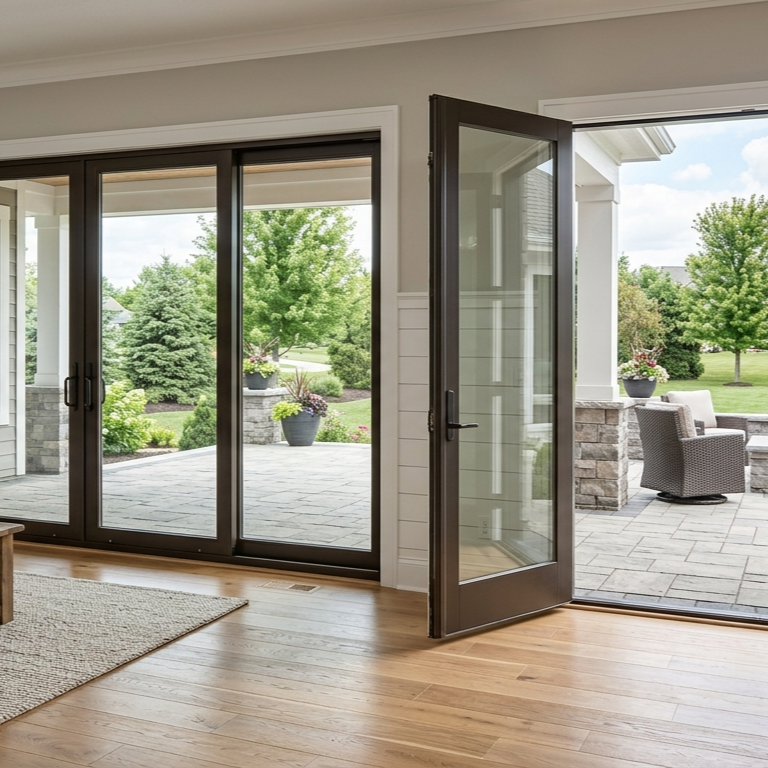
Sliding Glass Door vs French Doors: Which Is Better for a Patio?
Your patio door is grinding in a track full of grit, or it's swinging into your arm because you misjudged the arc, or it's bleeding cold air through a gap that three rounds of caulk haven't touched. You are done with it and ready to replace. The first real question: slider or French doors? They both look like patio doors on a spec sheet. Besides that, almost nothing about them is the same.