
Why Your Energy Bills Spike in a Wisconsin Winter
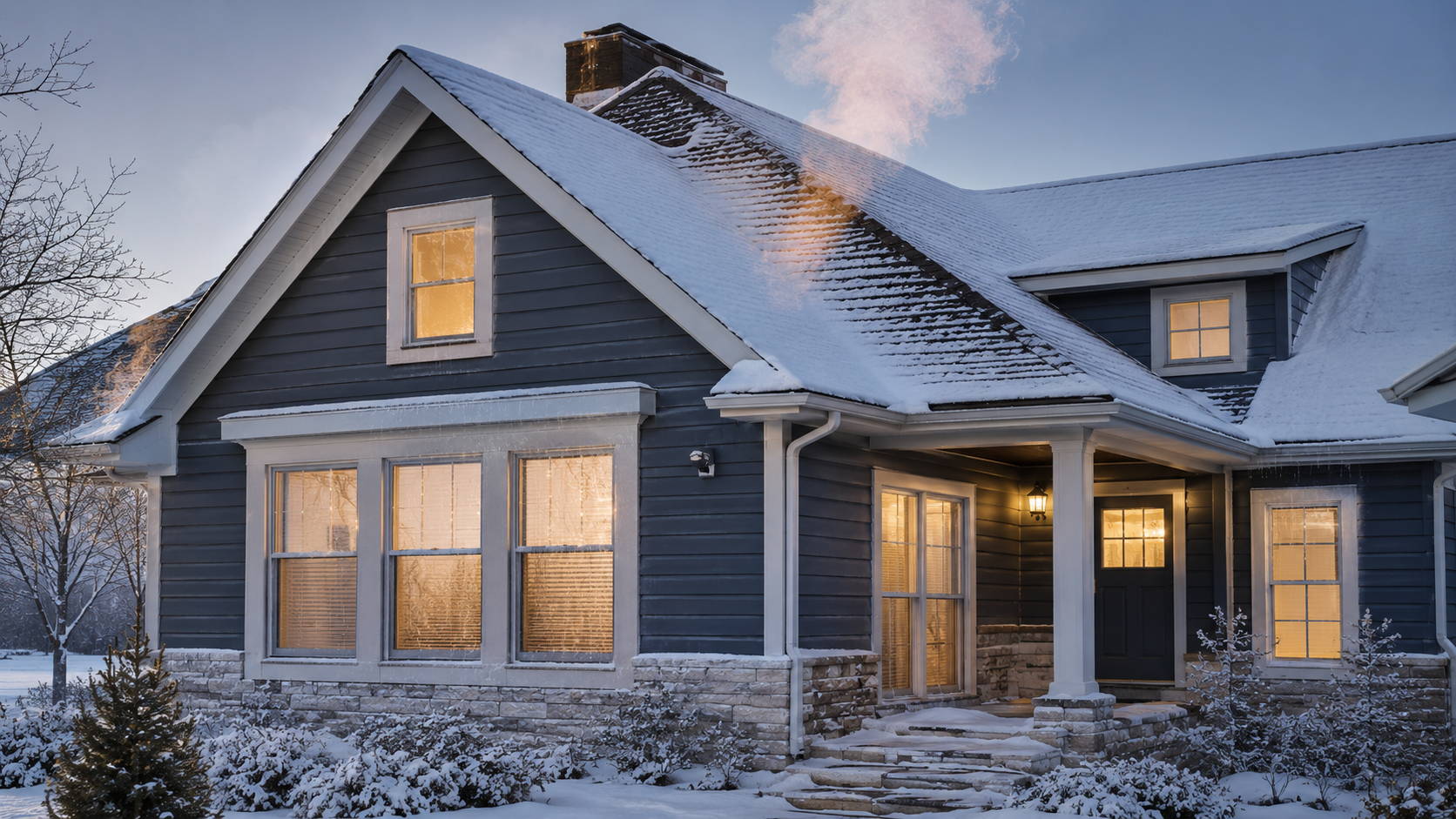
Quick Answer: High winter heating bills usually mean your home is losing the heat you're paying for, and most of it escapes through the building envelope: an under-insulated or leaky attic (the biggest culprit, since heat rises), drafty or old windows and doors, gaps and failing seals, and poorly insulated siding and walls. Air leaks and thin insulation let warm air out and cold air in, so the furnace runs constantly. The fixes are sealing and insulating the attic, upgrading or sealing windows and doors, and improving the exterior envelope so the heat you pay for stays inside.
The furnace runs all day, the house still feels drafty, and the heating bill climbs higher every Wisconsin winter. It's a common frustration, and the instinct is to blame the furnace or the utility rates. More often, the real problem is simpler and easier to fix: your home is leaking the heat you're paying for. Warm air is escaping through the attic, windows, doors, and walls faster than the furnace can keep up, so it never stops working. Finding where the heat goes is the key to bringing the bills down.
You're Not Buying Too Little Heat — You're Losing Too Much
A warm home in winter is a battle between the heat you put in and the heat that escapes. When bills are high, it's usually not that the furnace is making too little heat — it's that the house is losing too much, so the furnace runs constantly to replace it. Heat escapes through the building envelope: the attic, windows, doors, walls, and siding that separate the warm inside from the cold outside. Every gap, thin spot, and failing seal is a leak in that envelope. So the path to lower bills is finding and closing those leaks, not just turning up the thermostat.
Where the Heat Goes
The Attic — The Biggest Leak
Heat rises, which makes the attic the number-one place homes lose it. An attic that's under-insulated or full of air leaks lets warm air pour straight up and out through the roof, and a lot of homes simply don't have enough insulation up there for a Wisconsin winter. This is usually the highest-impact fix: adding insulation and sealing attic air leaks keeps the most heat in for the least effort. As a bonus, a properly insulated and sealed attic also helps prevent ice dams that plague Wisconsin roofs by keeping the roof cold.
Windows
Windows are a major weak point, especially older ones. Single-pane windows, worn weatherstripping, failed seals on double-pane units (you'll see fog between the panes), and gaps around the frame all let heat out and cold drafts in. You can often feel it — a cold zone near the window on a freezing day. Drafty, aging windows make the furnace work much harder through a long winter.
Doors
Exterior doors leak heat around their edges when the weatherstripping is worn, or the door doesn't seal tightly, and an old or poorly fitted door can be a significant draft source. You can usually feel a cold draft at the bottom or edges of a leaky door. Sealing or upgrading doors closes an easy gap in the envelope.
Walls and Siding
The walls and siding are the largest surfaces of the home, and if they're poorly insulated or the exterior envelope has gaps, heat escapes through those areas. Older homes, especially, may have inadequate wall insulation. While walls are a bigger project than attic or windows, a well-sealed, properly insulated exterior makes a real difference over a full heating season.
| Where heat escapes | Why it happens | Typical fix |
|---|---|---|
| Attic | Heat rises; thin insulation, air leaks | Add insulation, seal air leaks |
| Windows | Single-pane, failed seals, gaps | Upgrade or seal and weatherstrip |
| Doors | Worn weatherstripping, poor fit | Seal, weatherstrip, or replace |
| Walls/siding | Inadequate insulation, envelope gaps | Improve insulation and seal exterior |
How to Find and Fix the Leaks
The good news is that high winter bills are usually fixable, and the fixes pay you back every heating season. Start at the top, because the attic offers the biggest return: adequate insulation and air sealing there keep the most heat from escaping. Then address the windows and doors — sealing gaps, replacing worn weatherstripping, and upgrading old or failed units cuts the drafts you can feel. The exterior walls and siding round it out for homes losing heat across their whole surface. A useful first step is paying attention to where the house feels coldest and draftiest, and an energy assessment or inspection can pinpoint the biggest leaks so you fix the spots that matter most first.
On a cold, windy day, walk the house and hold the back of your hand near window edges, door frames, outlets on exterior walls, and the attic hatch. The drafts you can feel are heat leaving and money with it — and they map out exactly where sealing and insulation will pay off fastest.
Frequently Asked Questions
Because the problem usually isn't the furnace making heat — it's the house losing it. If warm air escapes through an under-insulated attic, drafty windows and doors, and poorly sealed walls faster than the furnace can keep up, the furnace runs constantly, and the bills climb. A perfectly good furnace can't win against a leaky building envelope. The fix is sealing and insulating those leaks so the heat you're paying for stays inside.
The attic is typically the biggest source, because heat rises and escapes upward through thin insulation and air leaks. Windows and doors are next, leaking heat through old single-pane glass, failed seals, worn weatherstripping, and gaps. Walls and siding lose heat across the home's largest surface when they're poorly insulated. Addressing the attic first usually gives the biggest return, followed by windows, doors, and the exterior envelope.
They can. Old single-pane windows, double-pane units with failed seals, and gaps around frames let heat out and cold drafts in, and over a long Wisconsin winter, that adds up to significant lost heat and higher bills. You can often feel the cold zone near a drafty window. Sealing gaps and weatherstripping helps, and upgrading old or failed windows to efficient units reduces the heat loss and the drafts noticeably.
A lot, because heat rises straight into the attic and escapes through the roof if it isn't stopped. An attic that's under-insulated or leaky lets warm air pour out, forcing the furnace to run more. Adding adequate insulation and sealing air leaks in the attic keeps that heat in the living space, which is usually the highest-impact, best-return improvement for winter bills. It also helps keep the roof cold, reducing ice dams.
Generally, yes, because the improvements pay for themselves each heating season through lower bills and a more comfortable home, and they last for years. Air sealing and added attic insulation tend to offer strong returns on investment. Beyond the savings, sealing leaks removes the cold drafts that make a house uncomfortable all winter, and in Wisconsin, a well-insulated attic also helps prevent ice dams, adding roof protection to the energy savings.
Stop Paying to Heat the Outdoors
High Wisconsin winter bills usually mean your home is losing the heat you are buying — out through an under-insulated attic, drafty windows and doors, and a leaky exterior. The furnace isn't failing; it's fighting a losing battle against the gaps in your building envelope. The fixes follow the heat: seal and insulate the attic first for the biggest return, tighten up windows and doors, and improve the walls and siding. Close the leaks, and the heat you pay for finally stays where you want it — inside.
Tired of sky-high heating bills and cold drafts? — Get your home's exterior, windows, and insulation assessed by southern Wisconsin's exterior pros. Craftsman Exteriors serves Madison, Verona, Fitchburg. Call (608) 843-5007.
