
Asphalt Shingle vs Metal Roof: How to Choose
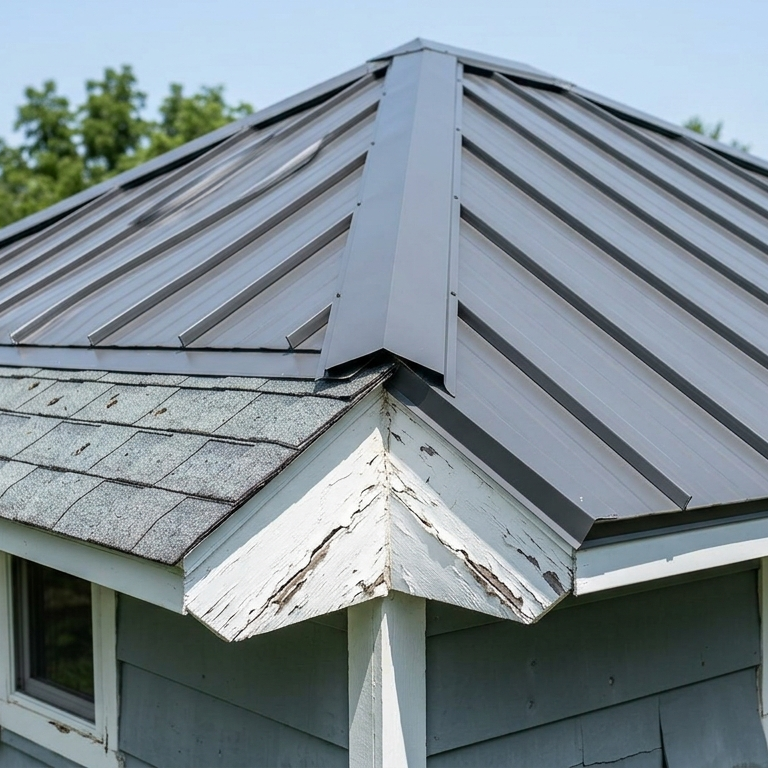
Your roof is telling you its time is near, and now you are caught between the familiar choice and the one everyone seems to be talking about. Asphalt shingles are what most homes have and what most people picture. A metal roof promises to outlast them by decades. Both are solid choices, and the right one depends on what you want the roof to do and how long you plan to keep the house.
This is a decision worth making on the specifics rather than the trend, because the two materials behave very differently once they are up there, weathering the seasons.
Two Materials, Two Different Lifespans
The starkest difference is how long each lasts. A quality asphalt shingle roof generally lasts about 15 to 30 years, depending on the shingle grade and the climate. A metal roof commonly lasts 40 to 70 years, often outliving the owner who installed it. That gap is the heart of the decision. Shingles ask less up front and get replaced once or twice over the life of a long-tenure home; metal asks more at installation and then largely disappears as a worry for decades.
How long you plan to stay matters here. If this is a forever home, metal's lifespan can mean installing a roof once instead of two or three times. If you may move in a decade, shingles may match your horizon without paying up front for years you will not be there.
How Each Handles Weather
In a climate with real winters, the way each roof handles snow and cold is a practical dividing line. Metal's smooth, hard surface sheds snow quickly, so snow tends to slide off rather than pile up, which reduces the load a roof carries and helps limit conditions that lead to ice dams. That shedding is one of metal's signature advantages, where snow is heavy. The flip side is that snow sliding off a metal roof lands where it falls, so where it sheds matters.
Asphalt shingles hold snow better than metal, and in some cases, their texture and installation can handle ice-dam situations differently, though proper insulation and ventilation matter more than the material for preventing ice dams in the first place. Shingles also tend to be quieter in rain and hail, where a metal roof can be louder without good insulation beneath it. And metal stands up to wind and sheds water well year-round, not just in winter, which counts through summer storms too.
| Factor | Asphalt shingle | Metal roof |
|---|---|---|
| Typical lifespan | ~15–30 years | ~40–70 years |
| Upfront investment | Lower | Higher |
| Snow shedding | Holds snow more | Sheds snow fast |
| Rain/hail noise | Quieter | Louder without insulation |
| Repairs | Easy, piece by piece | Specialized, less often needed |
Upkeep, Repairs, and the Long View
The two age differently and get fixed differently. Asphalt shingles are simple and inexpensive to repair on a section-by-section basis, and most roofers work with them, but they need more attention over their life as individual shingles crack, curl, or blow off. Metal needs far less maintenance across its long life and rarely needs repair, but when it does, the work is more specialized, and fasteners and seals should be checked periodically. Over a long enough time horizon, metal's durability and low upkeep are its argument; over a shorter one, asphalt's low upfront cost and ease of repair are its argument.
Curb Appeal, Energy, and Resale
Beyond weather and lifespan, the two materials differ in ways you live with daily. Asphalt shingles come in a wide range of colors and profiles and read as traditional, blending into most neighborhoods without a second look. Metal has come a long way in appearance, with standing-seam and even shingle-look profiles, and it gives a home a distinct, modern edge that some buyers love and some do not. There is an energy angle too: a metal roof reflects a good share of the sun's heat rather than soaking it up, which can ease the cooling load in hot summer months, while dark asphalt tends to absorb that heat. If resale is on your mind, a roof with decades of life left is a selling point either way, but metal's long lifespan can be an especially strong selling point. None of these outweighs lifespan and climate fit, but they are worth weighing once the practical basics are settled.
The Types Within Each Choice
Neither material is one thing. Asphalt comes as basic three-tab shingles or thicker, longer-lasting architectural shingles that have a heavier look and a longer lifespan, so "asphalt" can mean a budget roof or a premium one. Metal ranges from standing-seam panels with clean vertical lines to metal shingles and tiles that mimic wood shake or slate, so a metal roof does not have to look industrial. There is also an end-of-life difference worth noting: metal is largely recyclable when it is finally removed, while torn-off asphalt shingles usually head to the landfill. If the environmental footprint of the roof matters to you, recyclability is a point in metal's favor, alongside its long lifespan.
Frequently Asked Questions
Yes, and the biggest split is how the panels are fastened. Standing-seam metal hides its fasteners under raised, interlocking seams, so nothing that holds the roof down is exposed to sun and water; those systems sit at the top of the lifespan range. Exposed-fastener panels, the kind with screws driven through the face into rubber washers, cost less but rely on those washers, which dry out and need re-screwing or replacing over the years, so they land at the shorter end. Coating matters too: a factory Kynar or similar paint finish holds color and resists chalking far longer than a basic painted panel.
Often yes, which is why snow guards exist. On a metal roof above a doorway, walkway, driveway, or a lower section of roof, installers add snow retention, small brackets, or continuous rails to hold a snow slab and let it melt or release in smaller amounts rather than avalanche off in one sheet. Standing-seam roofs use clamp-on guards that grip the seam without penetrating the panel, so they add no new holes. Planning the guard layout at installation is far easier than retrofitting after the first slide takes out a gutter.
They can be louder than shingles during rain or hail, but proper insulation and underlayment beneath the metal greatly reduce the noise. A well-installed metal roof over a properly insulated attic is not the drum-in-a-storm many people imagine. Asphalt shingles are naturally quieter, which some homeowners prefer.
It can do both in the right circumstances. Many metal panels and premium architectural shingles carry a Class 4 impact rating, the top tier in the standard hail test, where a steel ball is dropped to check for cracking, and some insurers offer a discount for a Class 4 roof in hail-prone areas, so it is worth asking your carrier what documentation they want. At resale, an appraiser and buyers both value remaining roof life, so a roof with decades left reduces a common negotiation sticking point. Keep the manufacturer paperwork and warranty; being able to show the rating and install date is what turns durability into a credit.
On asphalt, the first failures are usually at the details rather than the field: the plastic-and-metal pipe boots around plumbing vents crack and leak within a decade or so, and shingles lift or blow off at exposed edges and ridges. On metal, the panels themselves rarely fail; the weak points are the sealant at the seams, the gaskets under exposed fasteners, and the flashing at the valleys and chimneys, all of which warrant a periodic inspection. Knowing this, most maintenance on either roof targets the penetrations and edges, not the broad surface, which is where people wrongly expect trouble.
Metal moves noticeably with temperature, and a poorly installed roof shows it as oil-canning, a slight waviness in flat panel areas, which is cosmetic rather than a leak. Good standing-seam systems account for the movement with clips that let the panels float and expand freely, plus striations or ribs rolled into the panel to mask minor waviness, so the roof can breathe through the daily heat-and-cool cycle without stressing the fasteners. Exposed-fastener panels handle this less gracefully because the screws pin the metal in place, and the repeated movement is part of what loosens them over time. This is another reason installation details matter as much as the material itself.
Choose for Your Home and Your Horizon
Asphalt shingles and metal roofs are both good roofs that suit different plans. Shingles ask less up front, repair easily, run quieter, and last around 15 to 30 years. Metal asks more at installation, sheds snow fast, needs little upkeep, and can last 40 to 70. Decide based on how long you will keep the home, how your climate treats a roof in both winter and summer, and how much upkeep you want to handle; the right material becomes clear.
If you are weighing a new roof and want an honest comparison for your home, we can walk you through both options. Craftsman Exteriors serves Madison, Verona, Fitchburg, and the surrounding area. Call (608) 843-5007 for a free estimate.
