
Metal Roof Installation: What to Expect and How to Prepare
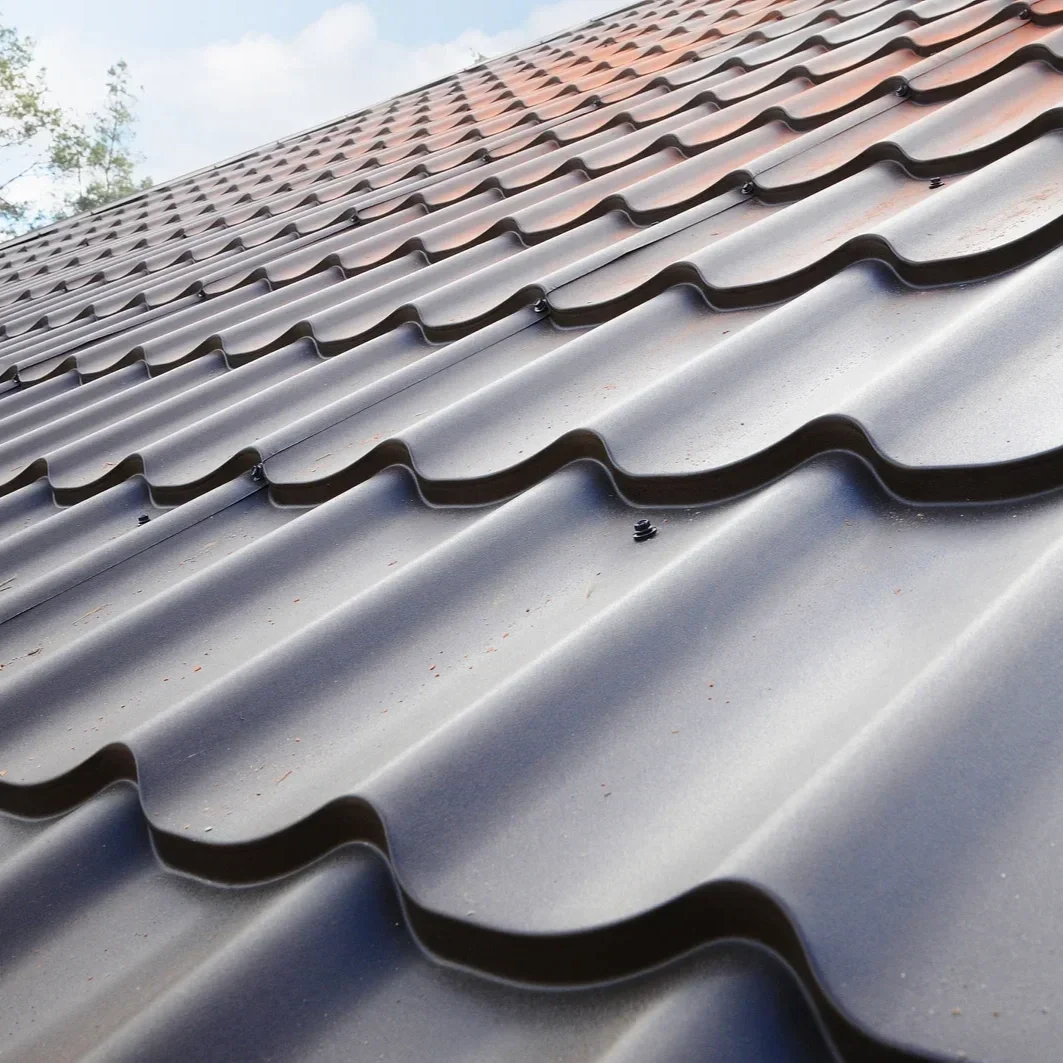
The assessment phase includes evaluation of attic ventilation, identification of potential obstacles, and determination of appropriate underlayment materials.
Professional roof installation begins with a comprehensive property evaluation. Experienced contractors examine existing roof structures, measuring dimensions and assessing structural support capabilities. Metal roofing installations require precise measurements and careful planning to accommodate proper panel placement and overlap requirements. The assessment phase includes evaluation of attic ventilation, identification of potential obstacles, and determination of appropriate underlayment materials.
Material Selection Process
Metal roofing offers numerous material options, including steel, aluminum, copper, and zinc alloys. Each material presents distinct advantages for specific applications. Material selection considers factors such as local climate conditions, building codes, architectural style, and budget requirements. Contractors guide material choices based on performance characteristics, warranty coverage, and long-term maintenance considerations.
Pre-Installation Preparation
Property preparation plays a vital role in successful metal roof installations. Contractors inspect and address structural issues before beginning installation work. Preparation activities include removal of existing roofing materials, repair of damaged decking, and installation of appropriate underlayment systems. Proper preparation establishes optimal conditions for metal panel installation and long-term performance.
Installation Timeline Considerations
Metal roof installation duration varies based on project scope, property size, and complexity. Typical residential installations require 1-2 weeks for completion, while larger commercial projects may extend several weeks. Weather conditions influence installation schedules, as optimal installation requires dry conditions and moderate temperatures. Professional contractors maintain flexible schedules to accommodate weather-related adjustments.
Safety Protocols
Professional installation teams implement comprehensive safety measures throughout the installation process. Safety protocols include proper equipment usage, fall protection systems, and site security measures. Experienced contractors maintain current safety certifications and insurance coverage, protecting property owners and installation teams throughout the project.
Equipment and Tools
Metal roof installation requires specialized equipment and tools for proper execution. Professional contractors utilize appropriate cutting tools, fastening systems, and safety equipment. Quality installation equipment contributes to precise panel placement and secure attachment. Proper tool selection and maintenance support efficient installation processes.
Panel Installation Process
Metal panel installation follows systematic procedures to maximize performance and longevity. Installation begins with proper underlayment placement and flashing details. Contractors install panels using manufacturer-specified fastening systems and recommended overlap dimensions. Proper installation techniques prevent common issues such as oil canning and water infiltration.
Ventilation and Insulation
Proper ventilation systems play crucial roles in metal roof performance. Installation includes evaluation and enhancement of existing ventilation systems. Adequate airflow prevents moisture accumulation and maintains energy efficiency. Insulation requirements receive careful consideration during the installation process.
Weather Considerations
Weather conditions significantly impact metal roof installation procedures. Professional contractors monitor weather forecasts and adjust schedules accordingly. Installation requires dry conditions for proper underlayment adhesion and panel placement. Temperature considerations affect material expansion and contraction during installation.
Quality Control Measures
Professional installation teams implement thorough quality control processes throughout installation. Regular inspections verify proper panel alignment, fastener placement, and weatherproofing details. Quality control measures identify and address potential issues before project completion. Final inspections confirm compliance with manufacturer specifications and building codes.
Cleanup and Site Management
Professional contractors maintain organized work sites throughout the installation process. Daily cleanup procedures protect property and maintain safe working conditions. Material storage and handling protocols prevent damage and maintain site safety. Post-installation cleanup includes thorough removal of debris and proper disposal of old materials.
Final Inspection Process
Comprehensive final inspections verify installation quality and completeness. Contractors examine all aspects of the installation, including panel alignment, fastener placement, and flashing details. Final inspections include verification of proper ventilation system function and overall aesthetic appearance. Documentation of installation details supports warranty coverage and future maintenance planning.
Maintenance Guidelines
Professional contractors provide detailed maintenance recommendations following installation completion. Regular inspection schedules help identify potential issues early. Simple maintenance procedures preserve appearance and performance. Professional maintenance services support long-term roof system reliability.
The investment in professional metal roof installation delivers substantial long-term value through superior durability, energy efficiency, and aesthetic appeal. Proper preparation, quality materials, and expert installation techniques establish foundations for optimal performance. Property owners benefit from reduced maintenance requirements and extended service life when selecting experienced contractors for metal roof installations. Metal roofing continues gaining popularity in both residential and commercial applications, supported by demonstrated advantages in durability, sustainability, and long-term cost-effectiveness.
When in need of expert roof inspections, roof ventilation installation, gutter and roof flashing installation, roof leak detection and repair, chimney flashing installation, asphalt shingle roof installation, and metal roofing installation contractors in Madison, Wisconsin, trust only Craftsman Exteriors. Our highly trained and skilled team gets the job done on time at competitive prices. Our extensive experience in the industry allows us to deliver results that meet or exceed expectations. Call today to learn more.