
Roof Gutter Downspouts: How Many Does A Home Need
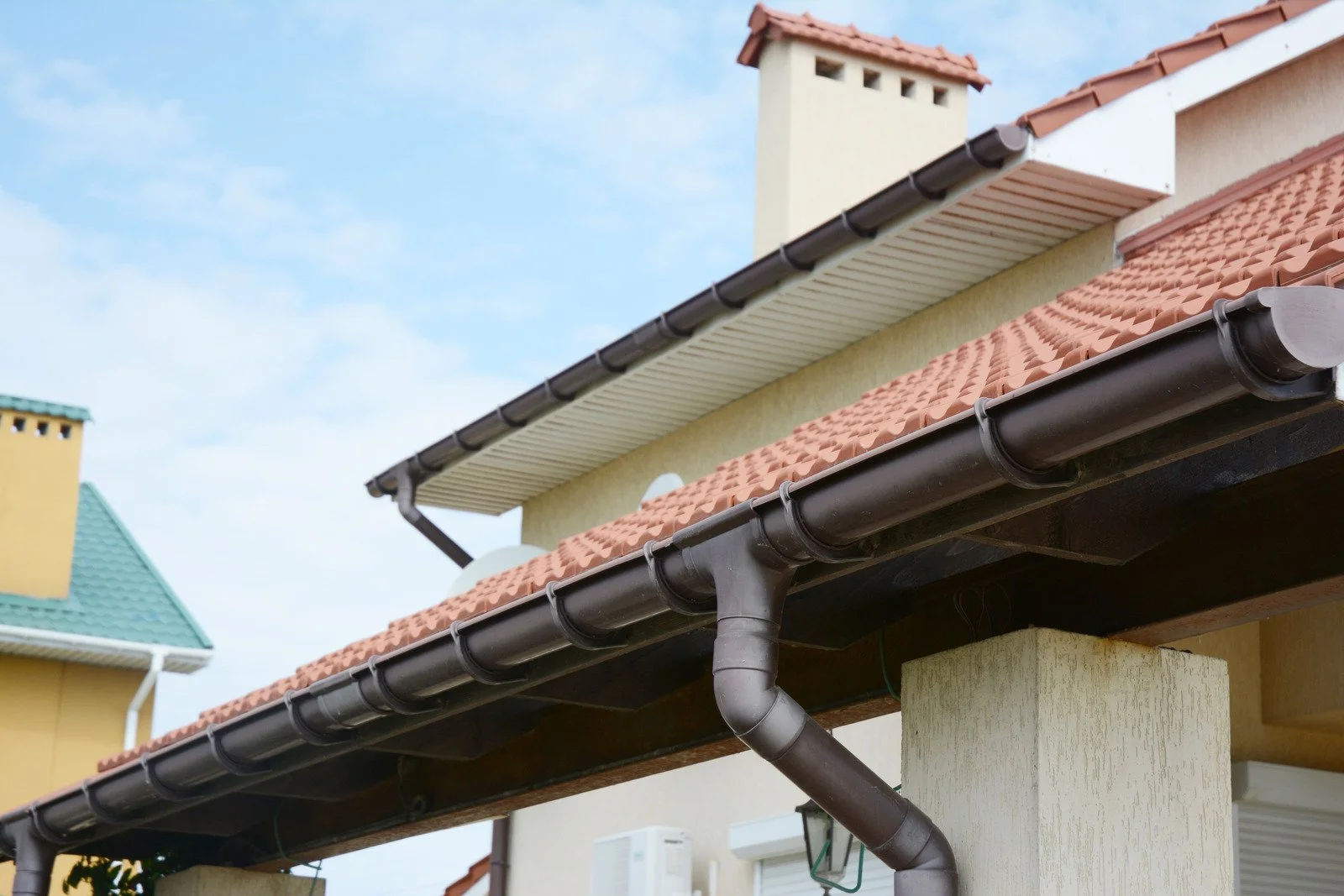
Figuring out how many downspouts a home needs depends on several key factors, and getting it right makes all the difference for long-term property protection.
When rain begins to pour, homeowners rarely think about the quiet heroes keeping their foundations dry: the gutters and downspouts. Yet those unassuming metal channels do more than guide water—they protect the roof, siding, and foundation from costly damage. A properly designed downspout system keeps rainwater moving efficiently away from the structure, preventing pooling, leaks, and erosion. Figuring out how many downspouts a home needs depends on several key factors, and getting it right makes all the difference for long-term property protection.
Why Downspouts Matter
Downspouts serve as the exit ramps for your gutter system. They carry water from the roofline to the ground, redirecting it safely away from the home. Without enough of them, water backs up, gutters overflow, and moisture begins to invade places it shouldn’t. That’s when problems start—rotting fascia boards, basement leaks, foundation cracks, and stained siding.
A well-designed downspout system balances the amount of water collected with the home’s drainage capacity. It is not just about adding more pipes; placement, slope, and property layout all play crucial roles. In cities where seasonal storms can bring heavy rainfall, a balanced system is essential for both roof health and foundation integrity.
The Roof’s Size
The roof acts as a massive catchment surface. The larger it is, the more rainwater it collects, requiring more downspouts to handle that volume. Every inch of rain that falls on a 1,000-square-foot roof produces more than 600 gallons of runoff. Without sufficient downspouts, all that water will overwhelm the gutters.
Professional roofing contractors calculate downspout requirements by assessing the roof’s square footage and pitch. Larger homes or those with multiple roof sections may need downspouts at several strategic points to manage flow evenly. Even smaller roofs can experience overflow if drainage is limited to one or two corners.
The Roof’s Slope
A roof’s slope has a dramatic effect on how quickly water runs off. Steeper roofs shed water faster, while low-slope roofs allow it to linger. When water rushes down a steep surface, the gutters have less time to collect and channel it. Without adequate downspouts, the system cannot keep up, leading to spillover and potential water intrusion near eaves.
Professionals often recommend additional downspouts for homes with steep roof pitches. By distributing flow across more outlets, they prevent the surge effect that can overwhelm gutters during heavy rainfall. Proper placement also minimizes stress on gutter joints and fasteners, which helps the system last longer.
The Gutter’s Size
Not all gutters are created equal. Standard residential gutters typically come in widths ranging from four to six inches. Narrower systems handle less water and are more prone to overflowing during storms. Wider gutters can hold more volume, which reduces the number of downspouts required—but only if they are properly sloped and free of obstructions.
Choosing the right combination of gutter width and downspout spacing is where professional expertise pays off. A roofing contractor evaluates how much water each section of gutter must handle and designs a layout that keeps everything flowing smoothly. In areas where rainfall can vary throughout the year, maintaining balance is key to preventing erosion and water damage.
The Role Of Location And Climate
Geography plays a bigger role in downspout design than most homeowners realize. Seasonal thunderstorms, hurricanes, and occasional snow melt put constant pressure on roofing and gutter systems.
Homes in high-precipitation regions often require more downspouts spaced closer together. Strategic placement helps control runoff during downpours, preventing overflow and protecting landscaping. A professional assessment accounts for local weather patterns, roof design, and even the surrounding terrain when planning an efficient drainage system.
Signs Of Poor Downspout Placement
Water damage rarely announces itself right away—it starts subtly. Overflowing gutters, pooling water near the foundation, and peeling paint on exterior walls often indicate inadequate downspout placement. Over time, the constant saturation leads to foundation settling, basement leaks, and costly structural repairs.
Inside the home, you might notice damp smells or small cracks forming in the walls near the floor. Outside, soil erosion around the perimeter is another red flag. Those symptoms suggest the gutter system cannot move water fast enough or far enough away from the home. A professional inspection identifies those weak points and recommends adjustments that restore balance.
Finding The Right Number Of Downspouts
There is no universal answer to how many downspouts a home should have. The general guideline is one downspout for every 30 to 40 feet of gutter length, but that is only a starting point. Roof pitch, surface area, and regional weather all influence the final design. Some homes benefit from additional downspouts at roof valleys or corners where water naturally converges.
Professionals analyze the roof layout using precise measurements and water-flow calculations to determine optimal spacing. They may also suggest extending downspouts underground or into drain systems that direct water away from the foundation entirely. The goal is consistent drainage that keeps both the roof and the soil healthy.
How Placement Affects Performance
Even the right number of downspouts won’t work if they’re installed in the wrong locations. Water should never be directed toward walkways, patios, or driveways, as it can freeze, cause slick surfaces, or erode concrete. Placement must consider the landscape’s slope to guarantee proper runoff direction.
Professionals position downspouts where gravity helps rather than hinders. In some cases, they add extensions or splash blocks that disperse water safely away from the foundation. Each detail contributes to a balanced system that protects the home from both the top down and the bottom up.
Why Professional Design Matters
Installing gutters and downspouts might seem straightforward, but effective systems depend on accurate design and installation. A professional roofing contractor understands how to calculate capacity, adjust slope, and account for roof architecture. They also use durable materials and fittings that resist leaks and corrosion, ensuring the system performs well under pressure.
Professional installation eliminates guesswork. Experts consider how water flows across multiple rooflines, the impact of nearby trees, and even how downspouts interact with landscaping features. With years of experience, they create a system tailored to the property’s exact needs rather than relying on generic formulas.
Maintenance Keeps Systems Performing
Even the best gutter system requires care. Leaves, twigs, and debris can block water flow, reducing efficiency and increasing the risk of overflow. Regular cleaning, especially in autumn, keeps everything clear.
Professionals often recommend installing gutter guards or screens that block debris while allowing water to flow freely. Regular inspections also help catch loose fittings or sagging gutters before they cause larger problems. A clean, well-maintained system lasts longer and protects the home year-round.
The Long-Term Benefits Of Proper Downspout Design
Downspouts may not get much attention, but they play a vital role in preserving the structure and comfort of a home. Properly designed drainage systems reduce erosion, protect landscaping, and prevent costly foundation repairs. They also help roofs last longer by minimizing standing water and ice buildup.
An efficient gutter and downspout system provides year-round peace of mind. Whether the home faces summer storms or winter melt, water moves where it should—away from the structure. With professional planning and regular maintenance, homeowners can count on dry basements, sturdy foundations, and roofs that keep performing beautifully.
When in need of dependable gutter solutions in Madison, Wi, trust only Craftsman Exteriors. We offer a wide range of services, from gutter installation, seamless aluminum gutter installation, and gutter guard installation to downspout installation, custom gutter fabrication and installation, and gutter replacement. We deliver the highest quality results to boost your home’s beauty and functionality. Call us to learn more.