
How Long Does a Roof Last? Lifespan by Material
Quick Answer: Most residential roofs last 15 to 30 years, but the material drives the range: architectural asphalt shingles average 25 to 30 years, metal 40 to 70, tile and slate can pass 50 to 100. Install quality, attic ventilation, and weather exposure decide where a specific roof lands inside that range.
The single biggest predictor of how long your roof will last is the material sitting on top of your home. A tile roof and a builder-grade asphalt roof installed on the same house in the same year can be separated by fifty years or more in service life. Before you look at any number, you have to know what you are actually looking at up there, because the material sets the baseline. Everything else- installation quality, ventilation, slope, and how hard the weather hits- either protects that baseline or eats into it.
The Material Sets the Baseline
A roof is a system, but the covering does most of the aging. Two things determine the baseline life of that covering: how much punishment the material can absorb before it breaks down, and how it fails when it does. Asphalt loses the granules that shield it from sunlight and slowly goes brittle. Metal resists rot entirely but can loosen at its fasteners. Slate and tile outlast the nails and underlayment holding them down, so their weak point moves off the surface and into the parts underneath.
That is why a lifespan is a range, not a fixed date. The numbers below assume a competent installation and a roof that gets looked at now and then. A neglected roof or a bad install can cut any of these figures roughly in half.
Typical Roof Lifespan by Material
3-Tab Asphalt Shingles: About 15 to 20 Years: The flat, uniform shingle that covered most homes for decades. It is the lightest and thinnest asphalt product, so it has the least material standing between the sun and your decking. In a demanding climate with wide temperature swings, plan toward the shorter end.
Architectural (Dimensional) Asphalt: About 25 to 30 Years: Also called laminated shingles, these are built from two or more bonded layers, which makes them thicker, heavier, and far better at shrugging off wind. They are the current default on most homes for good reason, and the extra mass is what buys the added decade.
Metal Roofing: About 40 to 70 Years: Standing-seam and metal panel roofs shed water fast and do not rot, rust-treat, or absorb moisture the way organic materials do. The coating and the seam style matter more than the metal itself. A quality finish and concealed fasteners push toward the top of that range; exposed-fastener panels toward the bottom, since the rubber washers on those screws wear out before the metal does.
Wood Shakes and Shingles: About 25 to 30 Years with Upkeep: Cedar shakes can last decades, but only if they stay clean, dry between rains, and get treated on a schedule. Left alone, they invite moss, rot, and insects. The number in the middle of that range assumes real, recurring maintenance, not a one-time seal.
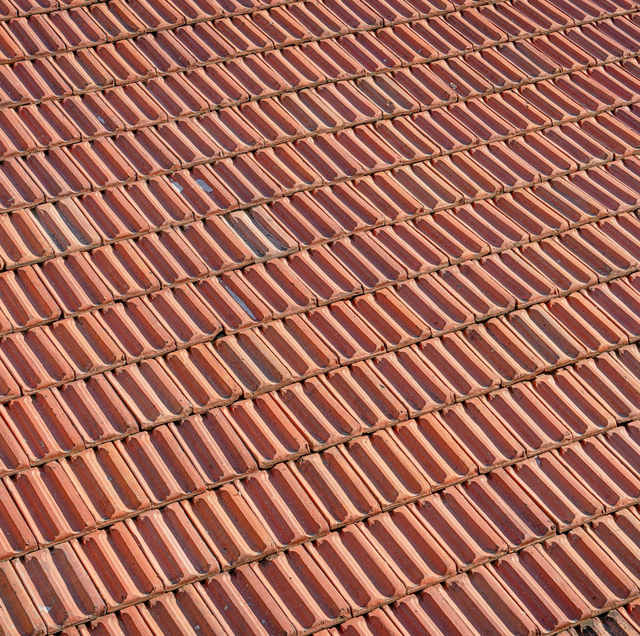
Tile, Clay, and Concrete: 50 Years and Up: The tiles themselves are nearly permanent and routinely outlive the people who install them. What ages out first is the underlayment beneath them, which typically needs replacing partway through the roof's life even while the tile stays in service. These roofs are heavy, so the framing has to be built for the load.
Slate: 75 to 100 Years and Beyond: Natural slate is stone, and stone does not care about ultraviolet light or temperature. Century-old slate roofs are still working. As with tile, the flashing, fasteners, and underlayment fail long before the slate does, so maintenance is about the supporting parts rather than the surface.
Flat and Membrane Roofs (EPDM, TPO): About 20 to 30 Years: Low-slope roofs use a rubber (EPDM) or thermoplastic (TPO) membrane instead of shingles. Their life depends heavily on seam quality and drainage. Standing water and failed seams are what end them early, which is why a flat roof needs its drains and low spots watched more closely than a pitched one.
What Shortens or Extends a Roof's Life
Two identical roofs rarely age at the same rate. These factors decide which one you have.
Install Quality and Workmanship: This is the variable people underestimate most. Nails driven too high, too low, or overdriven; missing starter courses; sloppy flashing at valleys and penetrations; or reused old underlayment can strip years off a premium material. A correctly installed mid-grade roof will usually outlast a poorly installed high-grade one.
Attic Ventilation and Moisture: A roof ages from below as well as above. Without balanced intake and exhaust airflow, an attic traps heat and humidity that cook the shingles from underneath and rot the decking they are nailed to. Ventilation is quietly one of the biggest levers on lifespan, which is why it gets its own section further down.
Slope: Steeper roofs drain faster and hold less water, snow, and debris, so their materials stay drier and last longer. Low-slope and flat sections take the most standing-water punishment and generally need attention sooner.
Sun, Heat, and Storms: Weather works on a roof year-round from two directions. In warm months, direct sun and ultraviolet exposure bake asphalt and break down its binders, drying and curling the shingles. In cold months, water works into small gaps, freezes, expands, and pries at seams and flashing, and the freeze-thaw cycle repeats every time the temperature crosses freezing. Hail bruises and cracks shingles, and high wind lifts and tears them. A single severe storm can retire a roof that had years left.
Tree Cover and Debris: Overhanging branches drop leaves and needles that hold moisture against the surface and clog gutters, and they scrape granules loose in the wind. Shade also keeps sections damp longer, which favors moss and algae. A little trimming protects a lot of roof.
Maintenance: Roofs that get periodic professional inspection, cleared gutters, and small repairs done promptly reliably reach the top of their range. Roofs that get ignored until something leaks reliably do not. The cost of a fix climbs sharply once water finds its way to the decking.
Warning Signs a Roof Is Near the End
Catch these signs from the ground with a pair of binoculars, which is the safe way to look. Walking a roof is fall-hazard work best left to a professional, and it gets more dangerous on steep or wet surfaces.
- Curling, cupping, or clawing shingles. Edges lifting or centers bulging mean the asphalt has dried out and lost flexibility.
- Missing shingles or exposed patches. Wind has started winning, and the layers underneath are now exposed.
- Granules collecting in the gutters. Those sand-like flecks are the shingles' ultraviolet armor washing away, which accelerates once it starts.
- Sagging areas or a dipping roofline. This points to moisture-damaged decking or a structural issue underneath and warrants prompt professional attention.
- Active leaks or water stains on ceilings and in the attic.
- Daylight visible through the roof boards when you are in the attic during the day, along with damp insulation or a musty smell.
An aging roof over living space can fail suddenly, and once water reaches the decking, the rot spreads out of sight. Getting it inspected before it fails is far cheaper than repairing water damage after.
Why Ventilation Matters So Much
It seems odd that airflow inside your attic would decide how long the shingles outside last, but the two are tied together. Think of the attic as an oven with the roof as its lid. In summer, an under-ventilated attic can climb far hotter than the outside air, and that trapped heat radiates up into the shingles and bakes them from the back side, on top of the ultraviolet damage they take from the front. In winter, warm indoor air rising into a poorly vented attic meets the cold roof deck and condenses into moisture that soaks the wood and feeds rot. Both effects run year-round, quietly, whether or not you ever see them.
Balanced ventilation, meaning roughly equal intake low at the soffits and exhaust high near the ridge, lets that heat and moisture escape before they do damage. It is one of the few upgrades that extends the life of the roof you already have rather than just the next one.
Repair or Replace: How to Judge
Age alone does not decide it, but it frames the decision. If a roof is well within its expected range, the damage is localized to one slope or one flashing detail, and the rest of the surface is sound, a repair usually makes sense. If the roof is near or past its material's lifespan, the granules are gone across the whole field, and leaks are showing up in more than one place, patching becomes throwing money at a system that is failing everywhere at once.
A useful rule of thumb: when the cost of repairs starts approaching a meaningful share of replacement, or when you have repaired the same roof more than once in a couple of years, the roof is telling you it is done. One more consideration is layers. A roof already carrying a second layer of shingles usually has to be torn off rather than covered again, which changes the math. A professional inspection sorts the localized problem from the systemic one, and that distinction is the whole decision.
Do not pressure-wash asphalt shingles to clear algae or moss. The stream strips the protective granules and ages the roof faster than the stains ever would, so use soft, low-pressure cleaning methods made for shingles.
Frequently Asked Questions
Not usually. A shingle's material warranty covers manufacturing defects, and the headline "lifetime" or 30-year figures are prorated, meaning coverage shrinks each year and often assumes ideal conditions and registered installation. Real-world lifespan depends on your specific ventilation, install, and exposure, so treat the warranty as a defect guarantee, not a promise of service years.
Sometimes, if local rules and the existing roof allow it and there is only one layer already up there. Overlaying skips the tear-off, but it also traps the old roof's heat, hides any rotten decking underneath, and adds weight the framing may not be sized for. Most roofers cap it at two total layers, and a full tear-off lets them inspect and replace bad decking, which an overlay never can.
The south- and west-facing slopes typically age fastest because they take the most direct sun and ultraviolet exposure through the day, so their shingles dry and curl earlier. It is common to replace a roof because one or two slopes are spent while the shaded north side still looks presentable.
Color has a modest effect. Darker shingles absorb more solar heat and can run hotter, which in a poorly ventilated attic nudges aging along. Good attic ventilation matters far more than color, and a well-vented dark roof will outlast a badly vented light one.
Once a year is a reasonable baseline for most homes, plus a check after any major hail or wind event, since storm damage is often invisible from the ground and can void coverage if it goes unreported for too long. Older roofs past the midpoint of their lifespan benefit from more frequent looks.
The decking is the layer of plywood or oriented strand board nailed to the rafters that the underlayment and shingles attach to. On a healthy roof, it lasts through multiple shingle replacements, but sections softened by leaks or trapped attic moisture have to be cut out and replaced during a re-roof. That hidden repair is one reason a tear-off can reveal costs an overlay would have buried.
Not sure how many years your roof has left — get a straight answer before the next leak. Craftsman Exteriors serves Madison, Verona, and Middleton. Call (608) 843-5007.
