
How Often Should You Replace Windows? A Lifespan Guide
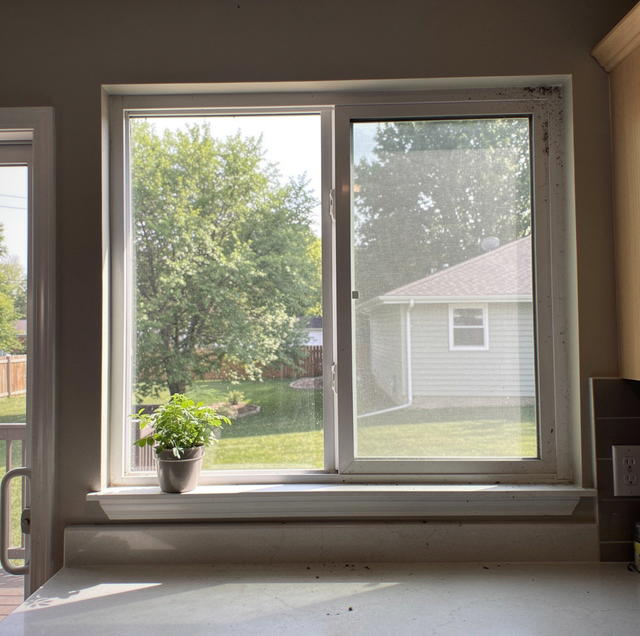
Ask five people how long a window is supposed to last, and you'll get five different numbers, and none of them will be exactly wrong. A window is really three separate systems bundled into one unit: a frame, a sealed glass package, and a set of moving hardware, and each of those pieces wears out on its own schedule. Treating "window lifespan" as a single countdown clock overlooks what's actually happening at your house: one part of the window usually fails well before the others.
Windows Don't Have One Universal Lifespan
The most useful way to think about a window's life is as a range, not a date. Manufacturers publish lifespan estimates because buyers want a number to compare, but those figures assume average conditions, correct installation, and normal maintenance. A window installed with a poor seal against the framing, or one that sits on a wall exposed to constant sun and wind-driven rain, can wear out a full decade before an identical unit installed carefully on a sheltered elevation of the same house.
Climate plays a large role too. Wide swings between hot afternoons and cold nights put more stress on seals and frame joints than a mild, steady climate does. Repeated freeze-thaw cycles exploit any small gap or weak point in a seal, causing materials that were never designed to move that much to expand and contract. A window rated for 20 to 25 years in a moderate climate may show real wear closer to the 15-year mark somewhere that swings hard between seasons.
None of this means lifespan estimates are useless. They're a reasonable starting point for budgeting and planning, but they shouldn't be the only signal you use to decide whether a specific window needs attention now.
How Long Different Window Materials Typically Last
Frame material sets the outer boundary on how long a window can realistically last, since the glass package inside it usually needs replacing before the frame does, but a failing frame will always end a window's useful life regardless of how good the glass still looks.
Vinyl frames are common because they resist rot and don't need painting, and a well-made vinyl window typically lasts 20 to 30 years. The tradeoff is that vinyl expands and contracts with temperature more than some other materials, and enough cycles of that movement can eventually stress the corner welds where the frame pieces join, leading to small gaps that let air and moisture in.
Wood frames, especially clad wood with a protective exterior layer, can last 30 years or more when properly maintained, and painted or stained wood on the interior often ages gracefully for decades. The catch is maintenance: any spot where paint or cladding fails and bare wood is exposed to moisture starts to break down within a few seasons, so a wood window's real lifespan depends heavily on how consistently it's been cared for rather than on the material's ceiling.
Fiberglass frames tend to expand and contract the least of any common material, which reduces stress on seals and corner joints over time. Many fiberglass windows are rated for 30 to 40 years. Aluminum frames are structurally durable but conduct heat and cold efficiently, which means they can suffer more condensation at the frame itself in cold weather. Older aluminum windows without a thermal break are often replaced for efficiency reasons well before the frame itself gives out.
Composite frames, which blend wood fiber with polymer, aim to combine wood's stability with lower maintenance, and generally land in a similar 30-plus-year range as fiberglass when built well.
Seal Failure Ends a Window's Insulating Life
Most windows built in the last several decades use an insulated glass unit: two or three panes held apart by a spacer, with the gap between them filled with an insulating gas and sealed at the edges. That seal is the part of the window most likely to fail before the frame does, and once it goes, the glass package can't be restored on its own. It has to be replaced.
Seal failure rarely happens all at once. Every temperature swing puts a tiny amount of stress on the sealant bond as the glass and spacer expand and contract at slightly different rates. Repeat that enough times and the bond gradually weakens, long before you'd notice anything from inside the house. Once the seal cracks even slightly, humid air works its way into the gap between panes, the insulating gas gradually leaks out, and the desiccant packed into the spacer eventually reaches its limit for absorbing moisture. Fog between the panes, especially fog that won't wipe away, is usually the first visible sign that a seal has already been failing for a while.
A sealed glass package typically has a shorter working life than the frame around it, often in the 15 to 20 year range depending on glass quality and manufacturing, which is one reason a window's frame can still be perfectly sound while its glass has already reached the end of its useful service.
Frame Degradation Wears Windows Out From the Outside In
While seals fail from the inside out, frames tend to wear from the outside in. Constant exposure to the sun breaks down the surfaces of vinyl and some composite materials over the years, making them more brittle and less able to flex without cracking. Moisture that gets past exterior caulking or flashing can work into a frame's joints and, in wood-based products, start soft rot that spreads from the inside of the frame rather than showing on the visible surface right away.
Corner joints deserve particular attention because that's where separate frame pieces are welded, glued, or mechanically fastened together, and repeated expansion and contraction puts ongoing stress right at those seams. A small gap opening at a corner joint often means the frame has been flexing for years, and it tends to get wider rather than close back up on its own.
Sills take more abuse than any other part of a frame because water runs down the glass and pools there before draining away. A sill that's soft, discolored, or visibly separating from the rest of the frame usually signals moisture damage that's been building for longer than it looks, and it's rarely limited to just the sill itself.
Hardware Wear Signals a Window's Remaining Years
Locks, hinges, balances, and the weatherstripping that seals a sash against its frame are the parts of a window that move, and moving parts wear out faster than the frame or glass around them. Weatherstripping is a compressible material, whether foam, felt, or a rubber gasket, and it stays effective by springing back into shape every time a window closes. Years of compression, sun exposure, and repeated cold snaps eventually leave it flatter and less springy, which opens a small gap even when the sash is fully latched.
Locks and latches wear in a similar way. A lock that no longer pulls a sash tight against the frame, or a balance that can't hold a sash open without a prop, is often one of the earliest visible signs that a window is aging, even before the glass or frame shows any obvious problem. Hardware wear on its own doesn't always mean a window needs full replacement, since locks and weatherstripping can sometimes be serviced or swapped out. But hardware that's failing on a window old enough to show early seal or frame wear is usually another data point indicating the window is nearing the end of its practical life, rather than an isolated fix.
Why a Fixed Number of Years Isn't the Right Question
A published lifespan range is a planning tool, not a verdict on any specific window. Two windows installed the same year on the same house can age at noticeably different rates depending on which direction they face, how much direct sun they receive, whether water tends to pool against the sill, and how carefully each was installed in the first place. A window on a sheltered, shaded wall might still be performing well past its "expected" age, while one on an exposed, sun-battered wall of the same house could already be showing seal or frame wear years ahead of schedule.
That's why the better question isn't "how old is this window," but "which of its three systems, frame, glass, or hardware, is closest to failing, and what does that mean for the other two?" A window with a sound frame and hardware but a failed seal is a different repair conversation than one where the frame itself has started to soften.
Signs It's Time to Replace Rather Than Repair
A few signals tend to point toward replacement rather than a smaller fix. Fog or haze between the panes that won't clean off means the sealed glass unit has failed and can't be restored, since it was never designed to be opened once sealed at the factory. A frame that feels soft, spongy, or visibly discolored at the sill or corners usually indicates moisture damage that's already spread beyond what's visible on the surface. A window that requires increasing force to open, close, or lock, even after hardware has been serviced, often points to a frame that's warping or shifting rather than a hardware problem alone. And a noticeable draft that persists after weatherstripping has been checked and adjusted usually means the frame itself is no longer sealing tightly against the surrounding wall.
Any one of these on its own might be worth a repair. Two or more showing up on the same window, especially on a unit that's already within or past its material's typical lifespan range, is a stronger sign that repair will only be a short-term patch on a window that's reaching the end of its useful service.
How to Judge Timing on Your Own Windows
Start by noting the age and material of your windows if you know it, since that sets a rough expectation for where they should be in their lifespan. Then look past the number and check the actual condition of each system: run a hand along the weatherstripping to see whether it still springs back, check corners and sills for softness or gaps, and look for fog or a faint ring forming between the panes. A window that's aging on schedule, with hardware that still functions and a frame that's still solid, may only need a glass replacement rather than a full unit swap. A window showing wear across multiple systems at once is usually past the point where a single repair fixes what's actually going wrong.
An exterior inspection on a regular schedule, ideally once a year before the coldest stretch of the season, is the most reliable way to catch this kind of wear early. Catching a failing seal or a softening sill while the rest of the window is still sound gives you more options and more time to plan than waiting until a window fails outright.
Frequently Asked Questions
It depends heavily on the frame material, ranging from roughly 20 years for some vinyl windows to 30 or 40 years for well-built fiberglass or composite units, but the sealed glass inside often needs replacing sooner, typically in the 15 to 20-year range, even when the frame around it is still sound.
Sometimes, if the frame and hardware are still in solid condition and the opening hasn't changed shape or settled. If the frame shows softness, warping, or corner separation, replacing only the glass usually isn't worth doing, since the frame will likely need attention again soon anyway.
Yes. Walls that take steady direct sun or driving rain tend to wear seals and frame surfaces faster than sheltered or shaded walls, so windows on the same house can age at noticeably different rates depending on their exposure.
Foggy glass between the panes means the sealed unit has failed and can't be restored, but whether that calls for a full window replacement or just a new glass package depends on the condition of the surrounding frame.
Hardware wear tends to show up first, such as a lock that no longer pulls a sash fully snug or weatherstripping that's lost its spring. On its own, that's often serviceable, but when paired with early fogging or a softening sill, it usually indicates a window approaching the end of its practical service life.
Once a year is a reasonable baseline, ideally before the coldest part of the season, so there's time to plan around anything found. Homes with older windows, or a history of one unit already failing, are often worth checking twice a year.
Schedule a window lifespan evaluation — get a clear, system-by-system read on which windows still have years left and which are due for replacement. Craftsman Exteriors serves Madison, Verona, and Fitchburg. Call (608) 843-5007.
