
Signs It’s Time for New Gutters (Not Just a Patch)
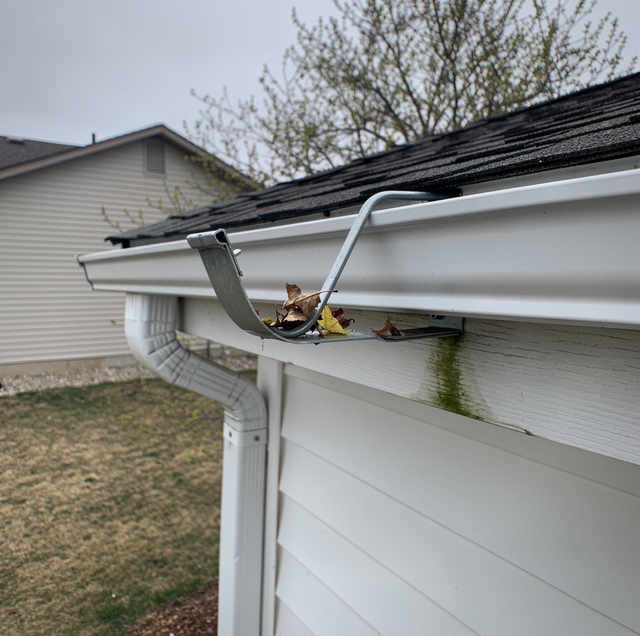
Gutters do their job quietly for years, then one spring you notice a section sagging over the walkway or a stain creeping down the fascia board that wasn't there last fall. Most homeowners don't think about their gutter system until water starts appearing where it shouldn't: a damp basement corner, a soggy flower bed, a streak of grime running down the siding. By the time those symptoms show up, the gutters have often been struggling for a while.
Knowing the difference between a minor fix and a system that's actually done protects the parts of the house that gutters are supposed to protect: the roof edge, the fascia, the siding, and the foundation. A gutter that's merely clogged just needs cleaning. A gutter that's failing structurally needs a harder look, and pretending otherwise usually costs more in the long run than addressing it directly.
How Gutters Fail Over Time
A gutter system is a simple idea executed with many small parts that all must work together: hangers or brackets that hold the trough to the fascia, a slight pitch toward each downspout, sealed seams at joints and corners, and downspouts that carry water away from the foundation. Failure rarely happens all at once. It builds gradually as those individual parts wear down.
Hangers loosen first, usually from repeated freeze-thaw cycles that expand and contract the fasteners driven into the fascia board. Each cycle works the nail or screw a little looser in the wood. Add the weight of wet leaves, standing water, or ice, and a gutter that was barely holding on starts to pull away from the roofline visibly.
Seams and end caps are the next weak point. Sealant dries out and cracks with age and sun exposure, and once a seam opens even slightly, water finds the gap and drips down the back of the gutter onto the fascia instead of flowing through the trough to the downspout. Metal itself thins over time, too, especially at the bottom of the trough, where water sits the longest between rains. Given enough seasons, that thinning turns into pinholes, then visible splits.
None of this happens on a fixed schedule. A well-installed system with solid fascia backing behind it and a pitch that was correctly set at installation can go a long time before any of these problems show up. A system that was installed with shortcuts, or one that's been carrying more water and debris than it was ever sized for, tends to show wear much sooner.
The Warning Signs Worth Taking Seriously
Some signs point to a quick fix. Others point to a system near the end of its service life. Here's what tends to separate the two:
- Visible sagging or dipping sections: A trough that bows downward between hangers, rather than running in a straight, even line, usually means the fasteners or the fascia behind them have weakened enough that re-securing won't hold for long.
- Gutters pulling away from the fascia: Gaps between the back of the gutter and the house, especially ones that reappear after being re-fastened, point to fascia rot or hangers that no longer have solid wood to grip.
- Cracks or splits in the trough itself: Small hairline cracks can sometimes be sealed, but splits that run along a seam or across the metal usually widen with the next freeze-thaw cycle rather than staying put.
- Rust-through on metal gutters: Surface rust is cosmetic. Rust that's eaten all the way through the metal, leaving a rough, flaking hole, means that section is structurally compromised and won't hold a seal.
- Frequent overflow even right after cleaning: If water spills over the front edge of a gutter that was just cleared of debris, the problem usually isn't blockage. It's often pitch that's flattened out, a downspout that's undersized for the roof area feeding it, or a trough that's too worn to carry the volume it once handled.
- Peeling paint or water stains below the gutter line: Streaks running down the siding or fascia, or paint that's bubbling and peeling in a vertical band under the gutter, mean water has been running down the outside of the system instead of through it, probably for more than one season.
- Pooling at the foundation after rain: If puddles keep forming in the same spot near the house even though the downspouts look intact, water is either overshooting the gutter before it reaches the downspout or the extension at the bottom isn't carrying it far enough away.
Any one of these on its own might be a localized repair. Several showing up together, especially on the same run of gutter, usually means the whole section has reached the point where patching one spot shifts the strain to the next weak point down the line.
Why Snow And Ice Speed Up The Damage
Climates with real winters put extra stress on a gutter system that milder regions don't see. Snow load adds direct weight to a trough that was designed mainly to carry moving water, not sit under a static, heavy accumulation for weeks at a time. Aluminum and vinyl gutters flex under that kind of sustained weight in a way they were never engineered to handle constantly, and repeated seasons of it work the hangers loose faster than sun and rain alone would.
Ice dams make the problem worse in a different way. When warm air escaping from the attic melts snow on the upper roof, that meltwater runs down to the colder eave and refreezes right at the gutter line, forming a dam of ice. Water backing up behind that dam has nowhere to go but under the shingles or over the front lip of the gutter, and the ice itself, being far heavier than the gutter was ever meant to hold, pulls hangers loose and can bend or crack the trough directly.
Freeze-thaw cycles compound both problems. Water that seeps into a hairline crack or a loose seam expands when it freezes overnight, widening the gap slightly. Repeat that dozens of times across a winter, and a barely-there crack becomes a split wide enough to leak steadily every time it rains. Wide seasonal temperature swings do the same thing to sealant and fasteners even outside of winter, drying and cracking materials that were fine the year before.
None of that means every gutter in a cold climate is destined to fail early. It means a gutter system built for a climate with real winters carries a heavier structural burden than a simple rain-diversion system in a milder climate, and small weaknesses that might sit dormant for years elsewhere tend to get exposed and accelerated much faster once ice and repeated freezing get involved.
When Repair Is Enough Versus When Replacement Makes Sense
A repair makes sense when the problem is isolated: one loose hanger, one open seam, a cracked downspout elbow, or a short section that's come free from the fascia while the rest of the run is straight, solid, and draining properly. These fixes are quick, address a specific failure point, and don't require touching a system that's otherwise sound.
Replacement becomes the more sensible path once the damage is spread across multiple sections or keeps recurring in the same spots after repair. If hangers keep pulling loose because the fascia behind them has softened from years of trapped moisture, re-fastening the same gutter to the same weakened wood just delays the next failure. If rust-through, splitting, or sagging show up in more than one run, that's usually a sign the material has reached the end of its working life rather than suffering a single localized injury.
Age matters too, though less than condition does. A gutter system installed with quality materials and correct pitch can outlast one that's newer but was installed poorly or undersized for the roof it's draining. The more reliable test is simple: does the system still shed water evenly along its full length, stay securely fastened under load, and hold a seal at every joint? When the answer is no in more than one place, patching stops being a lasting fix and starts being a stopgap that gets revisited every season.
Material And Design Considerations For A Lasting Replacement
Once replacement is the right call, a few decisions determine how long the new system lasts. Aluminum gutters formed on site to the exact length of each run, with no seams along the trough itself, eliminate most of the joints where leaks start in sectional systems, since there's nothing to seal except the corners and end caps. That single change removes a large share of the failure points that show up in older sectional gutters over time.
Gauge matters more than most homeowners expect. A heavier-gauge aluminum resists denting from ladders, falling ice, and debris far better than the thin, budget-grade material sometimes used to cut costs, and it holds its shape under sustained snow loads rather than bowing between hangers. Hanger style matters just as much as the trough material: hidden hangers screwed directly into the fascia and rafter tails hold far more securely over time than the old spike-and-ferrule fasteners that loosen as wood shrinks and swells with the seasons.
Sizing the system to the actual roof area is another detail that gets overlooked. A roof with large, steep sections or multiple valleys funnels far more water into a shorter run of gutter than a simple gable roof of the same square footage, and undersized troughs or downspouts on that kind of roof will overflow in heavy rain no matter how well they're installed. Gutter guards can reduce debris buildup and the freeze-thaw stress caused by trapped wet leaves, but they work best when paired with a properly pitched, correctly sized system rather than as a substitute for one. A well-designed replacement, matched to the roof it's protecting and installed with attention to pitch and fastening, is built to handle the load a marginal system never could.
Frequently Asked Questions
It depends heavily on material and installation quality rather than a fixed number of years. A well-installed aluminum system with solid fascia backing can last two decades or more, while one installed with thin material, poor pitch, or weak fasteners can show serious wear in half that time, especially in a climate with harsh winters.
Sometimes, if the sag is isolated and the fascia behind it is still solid wood. If the fascia has softened from trapped moisture, though, re-fastening the same hangers into weakened wood usually fails again within a season or two, so it's worth checking the fascia condition before deciding on a simple re-fastening.
No. Overflow right after a thorough cleaning usually points to flattened pitch, an undersized downspout, or a trough that's too worn to carry its intended volume, not leftover debris. Clogging is the first thing to rule out, but it isn't the only cause.
Surface rust alone is often cosmetic and doesn't necessarily mean the system is failing. Rust that has eaten through the metal, leaving flaking holes or a rough, pitted texture you can push a finger through, is a different situation and typically means that section can no longer hold a proper seal.
Ice buildup tends to worsen year over year when the underlying cause, usually heat escaping from the attic and melting snow unevenly, isn't addressed. Each winter the same conditions recreate the same ice dam, and the gutter absorbs a little more stress from the added weight each time until a hanger or seam finally gives out.
No. Guards reduce how much debris collects in the trough, which can reduce some of the strain that leads to failure, but they don't prevent hangers from loosening, seams from opening, or metal from thinning with age. A system with guards installed still needs periodic checks for sagging, separation from the fascia, and proper drainage during and after rain.
Schedule a gutter inspection — get a clear answer on whether your current system can be repaired or whether it's time for a full replacement. Craftsman Exteriors serves Madison, Verona, and Fitchburg. Call (608) 843-5007.
