
Why Are My Gutters Overflowing? 6 Real Causes
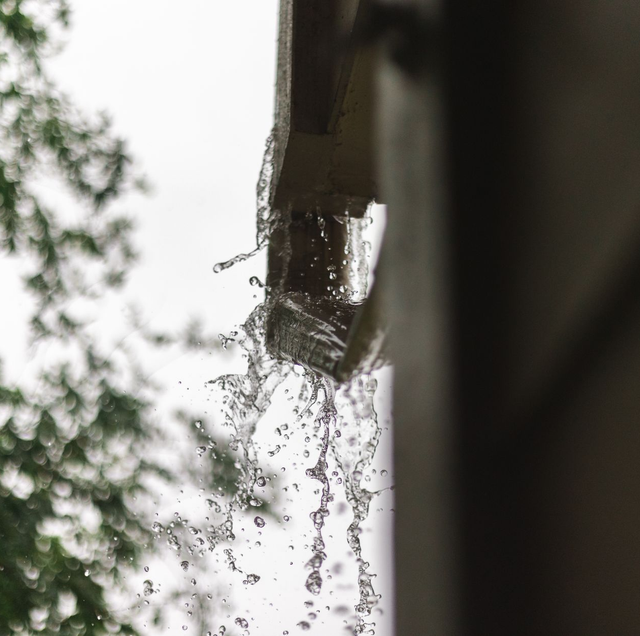
Quick Answer: Gutters overflow for one of six reasons: clogged troughs or downspouts, wrong pitch so water pools instead of draining, undersized gutters or too few downspouts for the roof area, water sheeting off a steep roof and jumping the gutter, sagging or separated sections, or the absence of a gutter apron that lets water slide behind the trough. Diagnose by watching the system during steady rain, then match the fix to the cause.
Water spilling over the front edge of a gutter looks like a small nuisance until you trace where it lands. A gutter that overflows is not draining the roof, and the roof is where most of the water your home ever sees arrives. When that water misses the trough, it runs down the fascia, behind the siding, and into the ground beside your foundation. Knowing why the overflow happens is the difference between a twenty-minute cleaning and a repair bill that keeps growing.
Why Overflow Is Worth Taking Seriously
A gutter collects roof runoff and carries it to a downspout that discharges it away from the house. When water goes over the lip instead, three things start happening at once, and none announce themselves early.
The first is fascia rot. The fascia board is the flat trim the gutter hangs from, and it sits in the splash zone of an overflowing trough. Constant wetting keeps that wood damp long enough for decay to set in, and once the fascia softens, the fasteners holding the gutter lose their grip. The second is foundation and basement water. Runoff pouring off the eave lands in a concentrated line against the wall, saturates the soil, and follows any crack or cold joint inside. The third is siding staining and moisture behind the cladding, where overflow sheets down the wall, feeds mildew, and works into seams the siding was never meant to shed water through.
Because the damage lands below eye level or behind a surface, an overflow can run for a year before anyone connects the stain to the gutter above it.
Clogged Troughs and Downspouts
This is the most common cause and the easiest to confirm. Leaves, seed pods, shingle grit, and roofing debris collect in the trough, mat down, and dam the water so it backs up over the front edge. The clog is rarely only in the horizontal run. A wad of debris often packs into the top of the downspout outlet, where the trough narrows into the drop, and that hidden plug floods a gutter that looks clean from the ground.
The clog problem is truly two-sided across the year. In leaf-drop months, the trough fills with organic litter. In months with heavy downpours or fast snowmelt, that same partial clog that passed unnoticed in calm weather cannot keep up, and the trough overflows even though the debris load has not changed. A gutter can be half-blocked for a long time and only reveal it during the first hard rain that pushes real volume through.
Wrong Pitch and Standing Water
Gutters are not level. They tilt slightly toward the downspout so gravity moves the water along, and the working target is roughly a quarter inch of drop for every ten feet of run. Too little pitch and water sits in the low spot instead of draining, so even a light rain fills the standing pool until it spills. Too much pitch leaves the far end sitting proud of the roof line, though under-pitching is the far more common failure.
Pitch drifts over time as hangers loosen or a section sags. You can often see it after the rain stops: a line of standing water or a silt tide-mark in a section that should have drained dry. That trapped water is both an overflow source and a load that pulls the gutter down further.
Undersized Gutters or Too Few Downspouts
A gutter system has a real capacity, and a roof can out-produce it. Two numbers drive this: the size of the trough, and the number and placement of downspouts draining it.
Residential gutters most often come in five-inch and six-inch K-style profiles. A six-inch K-style trough holds noticeably more water and pairs with a larger downspout, so it clears volume a five-inch run cannot. Downspout count matters just as much. A long run feeding a single downspout must push all its water to one exit, and the far end floods first because the water cannot reach the drop fast enough. Adding a second downspout, or splitting a long run so each half drains its own outlet, often fixes an overflow that no amount of cleaning ever solved. Matching trough size and downspout count to the roof area is what keeps the system ahead of the rain.
Water Sheeting Off a Steep Roof
On a steep roof, runoff picks up speed and can leave the shingle edge with enough momentum to arc straight over the gutter, especially in a hard downpour. The trough may be clean, pitched, and properly sized, yet water still overshoots the front lip and never enters it.
A garden hose aimed at the near edge of a bucket from a few feet away shows it: past a certain force, the stream clears the rim rather than filling the bucket. A fast roof does the same to a gutter. The fix is usually a gutter apron or a properly set drip edge that redirects the fast-moving sheet into the trough, and sometimes repositioning the gutter slightly outward to catch the arc. Diagnosing it means watching during real rain, because in a drizzle the same roof behaves and the overshoot never shows.
Sagging, Separated, and Damaged Sections
Gutters take a beating. The weight of trapped water, the pull of ice, a fallen branch, or a ladder set against the front edge can bend a section, pull it loose from the fascia, or open a seam. Once a length sags below its line, water pools at the dip and spills there instead of running to the downspout. A separated joint or pulled-away end cap leaks at the break.
Look along the gutter from the ground and check whether the front edge runs straight and parallel to the roof. Dips, gaps between the gutter and the fascia, rust lines, and dripping seams all point to a physical failure rather than a clog. Check this before assuming the trough just needs cleaning, because a sagging section will overflow again the day after it is emptied.
Missing Drip Edge and Gutter Apron
Where the roof deck ends, and the gutter begins, water has to cross that gap cleanly. A drip edge is the metal flashing at the roof's edge that directs runoff off the deck and forward. A gutter apron is a wider bent flashing that extends down into the trough itself, carrying water over the fascia and into the gutter rather than letting it curl back.
Without that flashing, surface tension can pull water off the shingle underside, back along the roof edge, and down behind the gutter, where it wets the fascia and drips behind the trough. From the ground, this looks exactly like an overflow, but the gutter is not overflowing at all. It is being bypassed. Confirming it means looking up under the gutter's back edge during rain, and the fix is installing the apron, not cleaning a trough that was never the problem.
How to Diagnose Your Own Overflow
Start with the one test that beats every guess, which is to watch the whole gutter run during a steady rain. Overflow at one low spot points to pitch or a sag, overflow along most of the run points to a clog or undersized capacity, and water appearing behind the gutter points to a missing apron.
After the rain, check the pitch by eye and look for a standing pool or silt line where water should have drained, along with overshoot marks and staining on the fascia. Ground-level and low single-story checks are reasonable to do yourself with a stable ladder set on firm ground and a spotter holding it. Steep or high gutter work is another matter: roof and ladder height is where these jobs turn dangerous, so stay off steep or high roofs and bring in a professional for anything above a comfortable single-story reach.
Keep any gutter checks you do yourself to ground level or a low single-story reach, with a stable ladder on firm ground and a spotter holding it. Roof and ladder height is where these jobs turn dangerous, so stay off steep or high roofs and bring in a professional for anything higher.
Matching the Fix to the Cause
Clearing and flushing solves a clog. Scoop the trough by hand, then run a hose from the far end toward the downspout and confirm water exits the bottom of the drop at full flow. If it backs up, the downspout itself is plugged and needs clearing from the outlet.
Re-pitching or re-hanging solves standing water and sags: the section is reset to that quarter-inch-per-ten-feet slope and refastened. Adding a downspout or stepping up to six-inch K-style gutters solves a capacity shortfall on a big or steep roof. Installing a gutter apron or correcting the drip edge solves both the sheeting overshoot and the water-behind-the-gutter bypass. Gutter guards can slow how fast a trough re-clogs, though they are a debris strategy, not a capacity fix.
When an overflow persists after the trough is clean, pitched, and sized right, the cause is usually upstream in the roof or drainage design: a roof plane throwing more water than the eave can catch, or downspouts discharging where the water has nowhere to go. That is the point of having the roof edge and the whole drainage path assessed together rather than cleaning the same gutter again next season.
Frequently Asked Questions
Twice a year is the common baseline, but the right interval depends on tree cover, not the calendar. A home with mature trees dropping seed pods in spring and leaves in fall may need three or four clearings, while one with no overhanging branches can often go a full year. The tell is the downspout: a trickle where a stream should run after rain means it is time, regardless of how recently you cleaned.
They contribute. A trough packed with debris holds water and snowmelt at the roof edge instead of draining it, and when that standing water refreezes, it adds to the ridge of ice along a cold eave. The dam itself forms from heat loss melting snow higher up, but a blocked gutter gives the refreezing meltwater a place to pool and build, which is why clearing troughs before deep cold helps.
Not always, and some guard types make overflow worse on a steep roof. Fine-mesh and reverse-curve guards rely on water clinging to a surface to enter the trough, and in a heavy downpour off a fast roof the water can skate over the guard and past the gutter entirely. Guards reduce debris clogging, one overflow cause, but do nothing for pitch, capacity, or sheeting.
A drip edge is a smaller L-shaped flashing installed along the roof edge under the shingles to direct water off the deck. A gutter apron is a wider version with a longer bottom leg that extends down into the trough, steering water past the fascia and into the gutter. On homes where water sneaks behind the gutter, the apron is the part that solves it, and it can often be added to an existing gutter without a full replacement.
Run a hose into the top of the downspout and watch the bottom outlet. If water pours out the trough's top seam or overflows the elbow before reaching the ground, the blockage is inside the vertical pipe, often at the upper elbow where the drop meets the trough. A downspout clog floods a gutter that looks perfectly clean, which is why the flush test beats a visual check.
Yes. A long horizontal extension or a buried drain line with too little fall, a sag, or its own clog can create backpressure that slows the whole downspout, so the gutter above overflows even when the trough is clear. Each downspout needs a clear discharge path with continuous downhill slope; a flat or blocked extension turns the exit into a bottleneck that shows up as overflow forty feet away.
Book a gutter and roof-edge assessment before the next storm — get a system that keeps water off your foundation. Craftsman Exteriors serves Madison, Verona, and Fitchburg. Call (608) 843-5007.
